
Understanding the Basics of Gambling
Casino gambling is often shrouded in misunderstandings, with many believing it to be a straightforward way to make money. The truth, however, is that while some people may win substantial amounts, gambling is primarily a game of chance. Each game, whether it’s blackjack, roulette, or poker, has odds that favor the house, meaning that, over time, casino online platforms are designed to make a profit. This foundational aspect of gambling can lead to a misunderstanding of the actual probability of winning.
Moreover, many newcomers to the gambling scene misconstrue strategies and systems that promise to increase their chances of winning. For example, players often feel that observing patterns in a game can help predict outcomes, such as in roulette. However, the random nature of these games means that past results do not influence future ones. Understanding this concept is crucial for anyone looking to navigate the world of casinos safely and responsibly.
Lastly, it’s important to identify the distinction between responsible play and gambling addiction. Many people enjoy gambling as a form of entertainment, but others may develop unhealthy habits that lead to significant financial and personal repercussions. Recognizing the signs of addiction versus casual play is vital to fostering a safe gambling environment, both personally and within the community.
The Myth of “Winning Systems”
A prevalent myth in casino gambling is the belief in winning systems that guarantee success. Strategies like the Martingale system, where players double their bets after each loss, are widely discussed but inherently flawed. These systems can lead players to believe they have control over the game, but the reality is that they can result in substantial losses, especially if a player encounters a losing streak. Casinos often have limits on betting amounts, which can cut off these strategies prematurely.
In addition, many gamblers fall victim to confirmation bias, where they only remember the few instances when a strategy seemed to work, disregarding the many times it failed. This selective memory can distort a player’s perception of the effectiveness of such systems. It’s essential for players to understand that gaining an edge through these systems is unrealistic, as all casino games are based on mathematics and probabilities that favor the house.

Ultimately, the allure of a winning system can detract from the enjoyment of gaming. Instead of focusing on supposed strategies, players should concentrate on responsible gaming principles, setting strict budgets, and enjoying the experience without the pressure of winning. A healthy mindset can transform casino visits from potential financial pitfalls into enjoyable recreational outings.
The Illusion of Control and Luck
Another myth surrounding casino gambling is the perception that players can exert some degree of control over their luck. Many believe that through certain rituals, behaviors, or even superstitions, they can influence the outcome of their games. Whether it’s a lucky charm or a favorite seat, these beliefs can create a false sense of security and lead to greater risks. The reality is that games are designed to be random, with outcomes determined by algorithms or physical randomness, leaving little room for personal influence.
This illusion of control can lead to dangerous gambling habits, as players may chase losses, convinced that their luck will turn. Understanding that outcomes are statistically independent is essential for maintaining a balanced approach to gambling. Players might feel a winning streak is due to skill or strategy, but it is often just a run of luck, making it essential to recognize the role of chance in these scenarios.
Furthermore, the casino environment is designed to amplify this illusion of luck. Bright lights, engaging sounds, and the excitement of wins can create an atmosphere that encourages continued play. Players often overlook the house edge and the long-term realities of gambling, focusing instead on short-term excitement. Acknowledging the randomness of these games helps to mitigate unrealistic expectations and fosters a healthier relationship with gambling.
The Social Stigma of Gambling
Cultural attitudes towards gambling can significantly influence how individuals perceive their experiences. The social stigma associated with casino gambling can lead people to feel shame or guilt, especially if they experience losses. This stigma is often rooted in historic associations with gambling being an immoral or irresponsible activity. However, many view gambling as a legitimate form of entertainment, similar to attending a concert or sporting event, and it is vital to recognize this spectrum of perspectives.
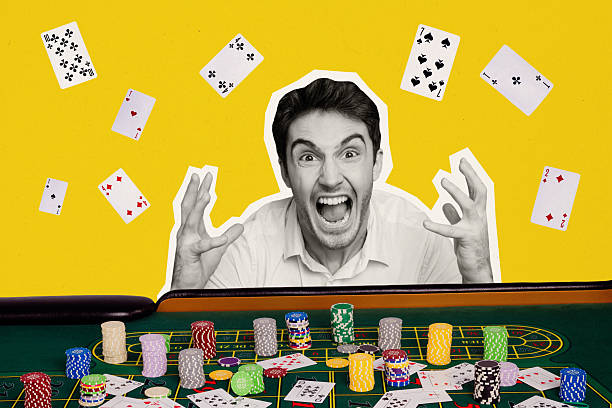
This social stigma can also hinder individuals from seeking help for gambling-related issues. If someone feels ashamed of their gambling habits, they may be less likely to reach out for support, risking greater personal and financial problems. Creating an open conversation about responsible gambling can help to dismantle these harmful stereotypes, encouraging individuals to seek guidance without fear.
Furthermore, as the gambling landscape continues to evolve—especially with the rise of online gambling—it’s becoming increasingly important to address these societal perceptions. Advocating for education around responsible gambling can help reduce the stigma, fostering a more accepting environment for those who choose to partake in gambling as a recreational activity rather than a vice.
Resources for Responsible Gambling
As the gambling industry grows, so too does the importance of promoting responsible play. Numerous resources exist to help players navigate the world of casinos with awareness and care. Organizations provide support for individuals struggling with gambling addiction and offer educational materials that empower players with knowledge about risks and responsible behavior. These resources are designed to foster a balanced approach to gambling, ensuring it remains an enjoyable pastime rather than a source of distress.
In addition, many casinos and online platforms take proactive measures to promote responsible gambling. Features such as self-exclusion programs, limit-setting tools, and educational materials about gambling risks are becoming increasingly common. These initiatives not only protect players but also help cultivate a responsible gambling culture within the industry. Engaging with these resources can significantly enhance an individual’s gambling experience by promoting safer habits.
Ultimately, understanding the myths surrounding casino gambling is essential in fostering a healthy gaming environment. By educating oneself about the realities of gambling, players can make informed decisions and enjoy their gaming experiences responsibly. The key is to approach gambling with awareness, balancing the thrill of play with the understanding of its inherent risks.
