
Payday loans serve as a vital financial instrument for many individuals facing unexpected expenses or short-term cash flow issues. Defined as short-term, high-interest loans typically due on the borrower’s next payday, these loans target a specific demographic—often those who are financially vulnerable or have limited access to traditional banking services. This article explores the socioeconomic factors surrounding payday loans, the implications for borrowers, and potential pathways for reform.
Payday lending is characterized by its convenience and swift access to cash. Borrowers can apply online or in-person, and upon approval, funds are quickly transferred into their bank accounts. This rapid turnaround appeals particularly to individuals who may have temporary financial difficulties, such as medical emergencies or car repairs. However, the ease of access brings with it a host of ethical considerations and societal implications.
The borrowers who typically seek payday loans often have limited financial literacy, making them susceptible to predatory lending practices. Many payday loan consumers are low-income earners, and studies indicate that about 69% of payday loan customers earn less than $40,000 per year. A significant number of these borrowers do not possess an emergency savings fund, leaving them reliant on payday loans in times of financial distress. The financial education gap plays a crucial role in this cycle, where borrowers may not fully comprehend the terms of the loans they undertake, including interest rates that can soar upwards of 400% annually.
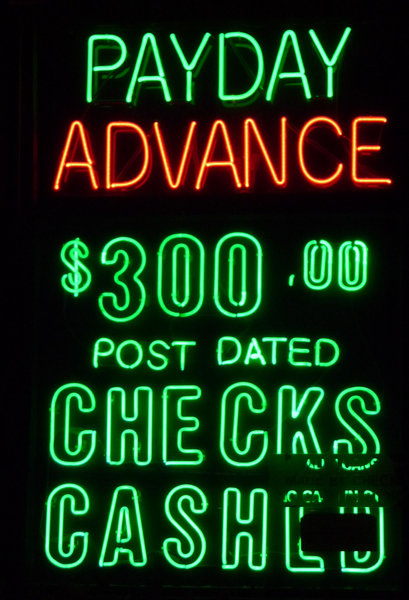
The structure of payday loans often perpetuates a problematic cycle of debt. Once a borrower takes out a payday loan, they often find themselves unable to repay it by the due date. In many cases, individuals opt to roll over their loans, incurring additional fees and spiralling deeper into debt. The Consumer Financial Protection Bureau (CFPB) reported in 2017 that one in four payday borrowers end up taking out a fourth loan within three months of their first. This cycle burgeons not only the financial burden but also exacerbates emotional stress as borrowers grapple with unpaid debts and financial insecurity.
Quality of life among payday loan borrowers is often negatively impacted. The pressure of financial obligations can lead to high levels of anxiety and stress, which in turn can affect mental health and interpersonal relationships. According to a study by the Urban Institute, individuals who depend on payday loans often face difficult choices—between paying for essentials such as food or shelter and repaying loans. This perpetual state of financial crisis provides a stark view of the human experience behind the numbers often bandied about in economic reports.
The location of payday loan stores significantly contributes to the demographic they attract. In urban areas, these establishments are often found in neighborhoods with higher concentrations of marginalized communities. The proximity of payday lenders to populations with limited access to traditional banking facilities highlights a systemic issue within the financial landscape. Should you adored this post along with you desire to acquire more details about paydayloansforbadcredit.us.com kindly visit our website. Communities of color and lower-income neighborhoods are particularly vulnerable, exposing the disproportionate targeting of these populations by lenders seeking profit. One analysis revealed that payday loan stores are more frequently found in predominantly Black areas than in white neighborhoods, illustrating a broader trend of economic exclusion through predatory lending.
On the legislative front, payday loans have prompted a significant combination of support and opposition. Advocacy groups argue for stronger regulations that would cap interest rates, impose stricter lending standards, and promote transparency in loan agreements. States like California and New York have enacted legislation to limit payday lenders’ interest rates and provide borrowers with more robust protections, but challenges remain. Opponents of regulation argue that limiting payday loans could restrict access to credit for individuals who rely on these loans as a last resort. This tension highlights the precarious balance between consumer protection and the availability of financial resources.
Moving toward promising solutions, alternatives to payday loans are emerging. Credit unions and community-based organizations are beginning to offer lower-interest alternatives to bridge the gap for individuals in need of quick cash. Programs like the “Small Dollar Loan” initiative by the National Credit Union Administration (NCUA) empowers credit unions to provide responsible lending options at a more reasonable cost. Additionally, efforts to increase financial literacy through workshops and community education are vital in equipping individuals with the tools and knowledge to make informed financial decisions.
Technology is also playing a role in reshaping the lending landscape. Fintech companies are innovating by creating platforms that provide access to quick, affordable loans while encouraging saving culture through integrated budgeting tools. While some of these new players may still carry their risks, the emphasis on transparent lending practices and user-friendly interfaces demonstrate potential departures from traditional payday lending models.
In conclusion, payday lending encapsulates a multifaceted issue tied to broader socioeconomic realities. While they provide necessary financial resources for some, the predatory nature and potentially devastating implications for borrowers warrant thorough scrutiny. Understanding the complexities surrounding payday loans— the demographics they affect, the mental health aspects, legislative environments, and alternative solutions— is essential for stakeholders, including policymakers, financial educators, and advocacy groups aiming to forge a more equitable financial landscape. The challenge lies in balancing access to credit for those in need with protective measures that shield vulnerable populations from exploitation. Ultimately, awareness and reform can pave the way for a fairer financial future for all.
