
In today’s fast-paced financial environment, many individuals find themselves in need of quick cash solutions, especially during emergencies or unforeseen circumstances. For those with bad credit, options can be severely limited, leading many to consider payday loans as a viable solution. However, it is crucial to understand the implications of payday loans on financial health and stability, particularly for those struggling with existing credit issues. This article explores the nature of payday loans, their benefits and drawbacks, and how they impact individuals with bad credit.
What Are Payday Loans?
Payday loans are short-term, high-interest loans designed to provide immediate financial relief to borrowers. Typically, these loans are meant to cover urgent expenses until the borrower receives their next paycheck. The loan amount is often small, usually ranging from $100 to $1,000, and is due on the borrower’s next payday. Unlike traditional loans, payday loans are accessible with minimal credit checks, making them appealing to individuals with poor credit histories.
The Appeal of Payday Loans for Bad Credit Borrowers
For individuals with bad credit, securing financing through conventional banks or credit unions can be an arduous task. These traditional financial institutions often require excellent credit scores, extensive documentation, and lengthy processing times, leaving many with limited options. In contrast, payday loans are marketed as quick and easy solutions, with minimal requirements. The convenience of obtaining cash quickly—without the need for a credit check—makes payday loans attractive for those facing financial emergencies.
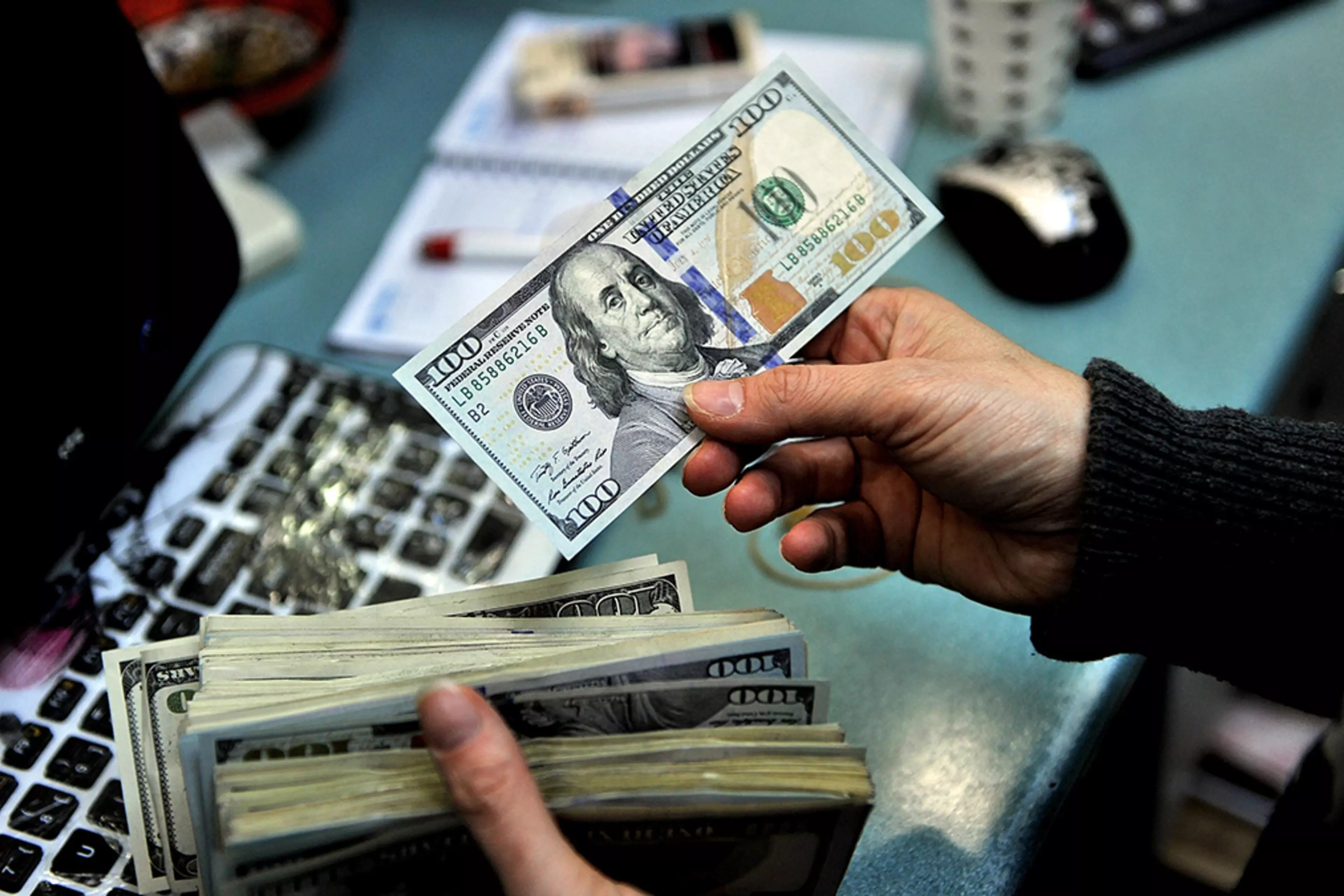
Additionally, payday loans can provide an immediate sense of relief for borrowers, allowing them to cover necessary expenses such as medical bills, car repairs, or utility payments. For many, the urgency of their financial needs outweighs the potential risks associated with high-interest loans.
The Risks Associated with Payday Loans
Despite their allure, payday loans come with significant risks that can trap borrowers in a cycle of debt. The high-interest rates—often exceeding 400% APR—can lead to financial strain rather than relief. A borrower who takes out a $500 payday loan with a two-week repayment term may end up paying $575 or more in fees alone. When borrowers are unable to pay off the loan on time, they often resort to rolling over the loan or taking out additional loans to cover the original debt, perpetuating a cycle of borrowing that can lead to financial ruin.
For individuals with bad credit, this cycle can be especially damaging. Bad credit typically indicates a history of financial mismanagement or inability to meet financial obligations, making it even more challenging to repay high-interest loans. Furthermore, missed payments on payday loans can lead to additional fees and further damage an already fragile credit score, creating a vicious cycle that is difficult to escape.
The Broader Financial Implications
The consequences of payday loans extend far beyond individual borrowers. As more people with bad credit utilize these loans, the impact on their financial well-being can contribute to broader economic issues. High levels of outstanding payday loan debt can lead to increased stress and anxiety for borrowers, often affecting their productivity at work and overall quality of life.
Moreover, payday lending practices can perpetuate inequalities within communities, disproportionately affecting low-income and marginalized populations. As borrowers struggle to meet their obligations, they may forgo essential expenses such as food, healthcare, and education, leading to a cycle of poverty that is difficult to break.
Alternatives to Payday Loans
For individuals with bad credit, there are alternative financing options available that can provide financial assistance without the adverse effects of payday loans. These alternatives may include:
- Credit Unions: Many credit unions offer small-dollar loans with more favorable interest rates and terms, often tailored to assist those with bad credit.
- Peer-to-Peer Lending: Online platforms allow individuals to borrow from other individuals willing to lend money without the high fees associated with payday loans.
- Payment Plans: Negotiating payment plans directly with service providers or creditors can offer more manageable solutions to overcome financial shortfalls without adding additional debt burdens.
- Community Assistance Programs: Nonprofit organizations and local charities often provide financial assistance or emergency funds to individuals in need, helping them avoid predatory lending practices.
- Credit Counseling: Seeking the help of a certified credit counselor can provide individuals with the tools and strategies needed to manage their finances effectively and improve credit scores over time.
Conclusion
While payday loans may seem like an easy solution for individuals with bad credit in need of immediate cash, the long-term consequences can be devastating. The destructive cycle of high-interest debt and the continued impacts on credit scores can limit future financial opportunities, perpetuating financial instability. It is essential for individuals to explore alternative financing options that can provide immediate assistance without the exorbitant costs associated with payday loans. By understanding the risks and taking proactive steps to manage finances, individuals can break free from the cycle of debt and work toward achieving long-term financial health and stability.
In conclusion, awareness and education about the nature of payday loans and their consequences are critical in helping individuals make informed decisions. As we continue to navigate the complexities of the financial landscape, prioritizing financial literacy and seeking out responsible lending practices remain fundamental for individuals, particularly those with bad credit.

