
For motorsport enthusiasts and professionals alike, choosing the right racing oil can present a significant challenge. With a multitude of options available, it often becomes difficult to determine which products will provide the best performance and safety for your vehicle. High-performance synthetic racing oils stand out as a superior choice for those seeking to enhance engine durability and efficiency, especially under extreme racing conditions.
In this article, we will explore the specific advantages of using synthetic racing oils and how they can help boost your vehicle’s performance while ensuring safety on the track. Understanding these benefits can aid in making an informed decision, ultimately enhancing your racing experience. https://www.abgodnessmoto.co.uk/index.php?page=user&action=pub_profile&id=418789&item_type=active&per_page=16
What Makes Synthetic Racing Oils a Superior Choice?
Synthetic racing oils are engineered from chemical compounds rather than crude oil, resulting in a product that offers superior characteristics compared to conventional oils. The primary benefits of synthetic racing oils include greater stability at high temperatures, better lubricating properties, and reduced friction, all of which contribute to improved engine performance.

For instance, synthetic oils maintain their viscosity much better than their conventional counterparts when subjected to extreme heat generated during racing. This means that even under high-stress conditions, the oil continues to provide optimal lubrication, thus protecting engine components and preventing wear. A notable example can be seen in a scenario where a vehicle operating with synthetic racing oil can endure longer track sessions without overheating compared to one using regular oil.
Enhanced Engine Performance and Efficiency
Using high-performance synthetic racing oils can yield remarkable improvements in engine performance and efficiency. These oils contain specific additives designed to enhance their performance, such as detergents, anti-wear agents, and friction modifiers. These additives work together to keep the engine clean and reduce deposits, which is particularly crucial during intense racing events.
With better lubrication, synthetic racing oils lead to improved fuel efficiency, translating to longer runs between pit stops. For amateur racers aiming to maximize their track time and minimize costs, this can be a game-changer. For example, if you find that you can save fuel and avoid additional refueling, you can maintain competitive speeds without the hassle of frequent pit stops, ultimately improving your chances of winning.
Protection Against Engine Wear and Tear
Another notable benefit of synthetic racing oils is their ability to provide exceptional protection against engine wear and tear. The high-performance formulations reduce friction and wear on critical engine components such as pistons, camshafts, and bearings. This is crucial in high-speed racing where every second counts, and even minor wear can lead to catastrophic engine failure. http://www.cmc365.co.kr/bbs/board.php?bo_table=free&wr_id=759718

Consider a typical racing day, where engines operate at peak performance for hours. Vehicles using synthetic oils can experience significantly less wear over time compared to those using conventional oils. This longevity can lead to extended engine life, reducing the need for costly repairs or replacements. Such considerations are vital for both amateur racers and professional teams looking to optimize their investment in vehicle performance.
Improved Cold Start Performance and Stability
High-performance synthetic racing oils excel in cold start performance, which is particularly beneficial for racing scenarios where engines may not be warmed up before hitting the track. Unlike conventional oils that can thicken in low temperatures, synthetic oils flow quickly at startup, ensuring that critical engine parts are lubricated immediately.
This rapid lubrication minimizes friction during the crucial moments after starting, enhancing engine response and performance right from the get-go. Moreover, synthetic oils show remarkable stability across a wide range of temperatures, maintaining their protective qualities whether in freezing conditions or under the sweltering heat of the racetrack.
By investing in synthetic racing oils, you can avoid the dreaded startup damage that can occur with lower-quality oils, thus ensuring your vehicle is always ready to perform at its best.
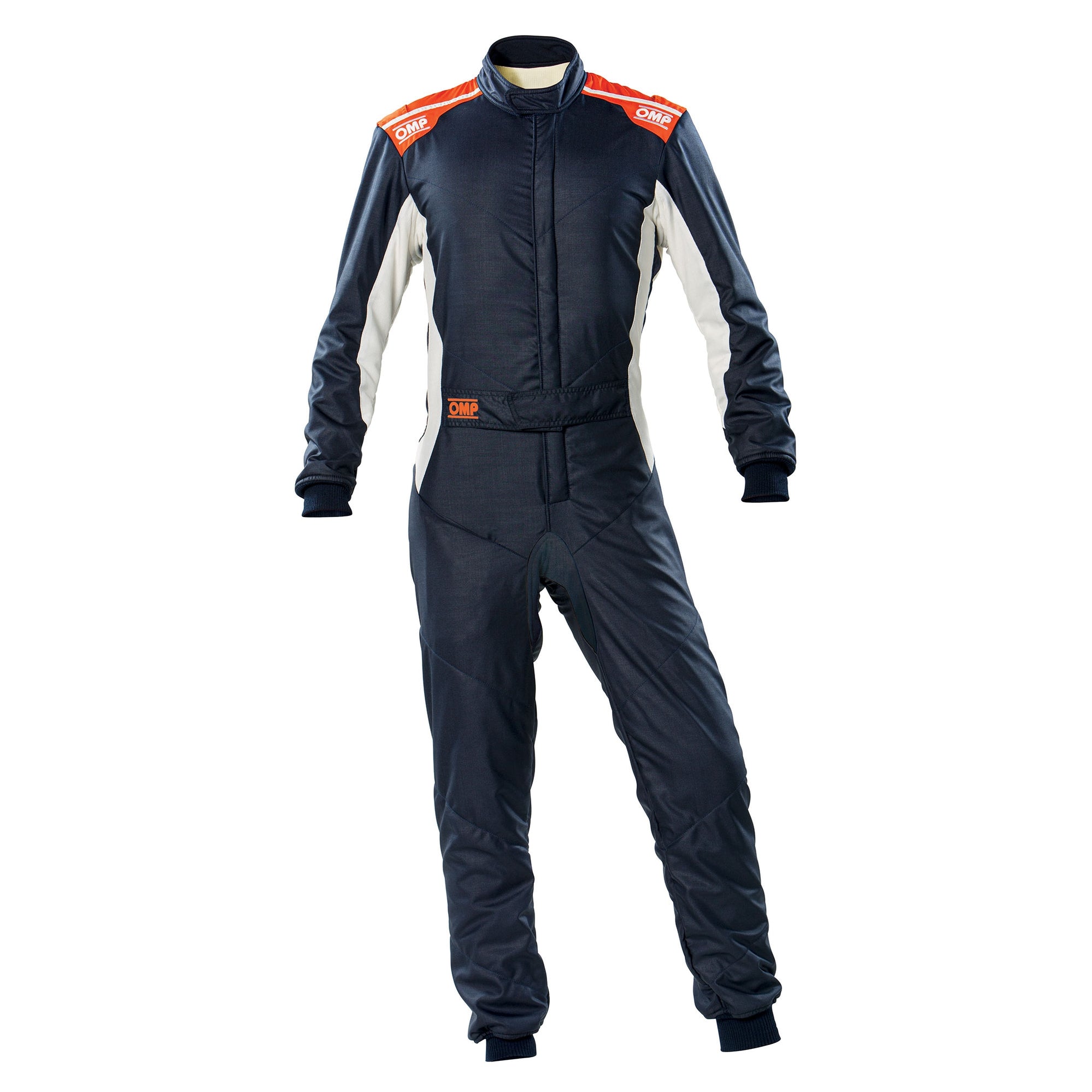
Affordability and Accessibility of High-Performance Synthetic Oils
While the initial cost of synthetic racing oils may be higher than conventional options, the long-term benefits often outweigh the initial investment. The greater engine protection and performance enhancements can lead to reduced maintenance costs and prolonged engine life, making them a cost-effective choice for dedicated racers. roll cages and padding
Additionally, many retailers now offer synthetic racing oils with FIA-compliance, ensuring that they meet the necessary regulations for competitive racing. This accessibility means that motorsport enthusiasts no longer need to compromise on quality to find suitable products that meet their specific racing needs.
Furthermore, when sourcing racing safety gear, such as racing harnesses and helmets, ensuring compatibility with high-performance oils can streamline the overall preparation process, allowing for a more cohesive racing experience.
- Enhanced engine performance and efficiency
- Protection against engine wear and tear
- Improved cold start performance
- Cost-effective long-term investments
Overall, the advantages of using high-performance synthetic racing oils are clear. From enhanced performance to improved engine protection and affordability, these oils are an essential component of competitive motorsport preparation.
In conclusion, as a motorsport enthusiast or professional, leveraging high-performance synthetic racing oils can significantly elevate your racing experience. By prioritizing engine performance and protection, you create a safer and more efficient racing environment, ultimately leading to better results on the track. With options readily available, making the switch to synthetic racing oils is a decision that can pay dividends in the long run.
Frequently Asked Questions
How long can synthetic racing oil last compared to conventional oil?
Synthetic racing oils typically last longer than conventional oils, often allowing for extended oil change intervals. While conventional oils may require changes every 3,000 to 5,000 miles, synthetic oils can last between 7,500 to 15,000 miles, depending on usage and driving conditions.
Is synthetic racing oil safe for all types of engines?
While most modern engines can benefit from synthetic oil, it’s essential to check your vehicle’s manual. Some older engines might require specific oil types, and switching to synthetic can sometimes cause leaks due to its thinner consistency. Always consult an expert if unsure.
Do I need to change my oil more frequently when using synthetic racing oil?
No, synthetic racing oils generally allow for longer intervals between oil changes due to their superior formulation and resistance to breakdown. However, it is still important to monitor engine performance and adhere to recommended maintenance schedules.
What are the key additives in synthetic racing oils that enhance performance?
Key additives in synthetic racing oils include detergents to prevent sludge buildup, anti-wear agents to protect metal surfaces, and friction modifiers to reduce resistance. These additives work together to ensure optimal engine performance and longevity.
Can switching to synthetic racing oil void my warranty?
Switching to synthetic racing oil should not void your warranty as long as the oil meets the specifications outlined by your vehicle manufacturer. However, it’s advisable to check with your dealership or read your warranty terms to ensure compliance.
