
How Combat Systems Have Evolved
The AC franchise has always toyed with the illusion of power. From the methodical, graceful strikes of the Italian legend to the almost legendary power of Kassandra, the IP has never hesitated to embrace making its main characters feel like walking gods. Then came Assassin’s Creed Valhalla, with its unruly close-quarters combat that sacrifices finesse for savagery. The change is clear from the first time you pick up a rusted war tool and get thrown into a fight that looks more like a pub brawl than a combat arena.
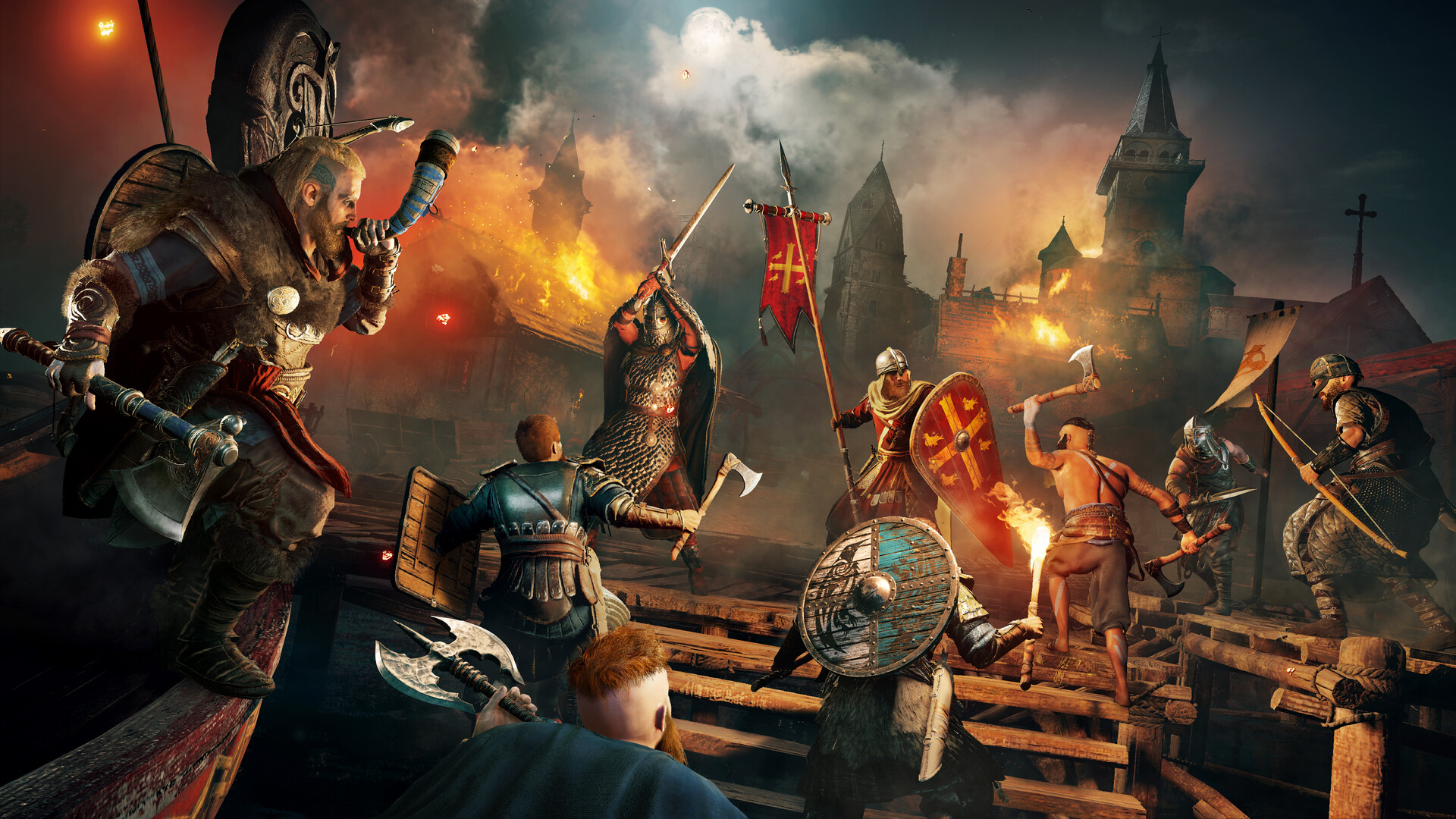
There’s something to be said for anchoring the action. It feels less like you’re choreographing a dance and more like you’re weathering a barroom brawl. Swinging your blade into a warrior’s defense and watching metal clash has a raw satisfaction. But after a few dozen fights? The freshness dies. The elegance is lost. What remains is an awkward system that can’t decide if it wants to be thoughtful or button-mashy. It pushes you into these unstructured fights where deflecting feels unnecessary and upgrade paths hand out enhancements like candy at a Norse Halloween party. If Bayek’s adventure made you a mythical warrior and Kassandra’s journey anointed you a bona fide one, Valhalla brings you back down to the ground—and then buries you under redundant animations and slow responsiveness.
Thematic and Narrative Impacts on Gaming
If Assassin’s Creed Valhalla wanted to be Assassin’s Creed meets The Witcher 3, it definitely brought the props: brooding scenery, power-driven conflicts, and lots of brooding aristocrats who can’t decide if they want to murder you or ally with you. But atmosphere isn’t plot, and mimicry isn’t innovation.
The the Westeros saga inspiration is undeniable—and not just because every other aristocrat seems to have a knife hidden behind their back. this game tries its attempt at intrigue, but it feels like someone quickly read an online recap of Westeros politics and said, “Sure, we can do that.” Decisions are present, sure. But most of them are illusory at best, cosmetic at worst. Kill this monarch, pardon that ealdorman—the story trudges on with little repercussion. It fails to deliver the narrative courage of The Witcher 3, where every action leaves dirt under your hands.
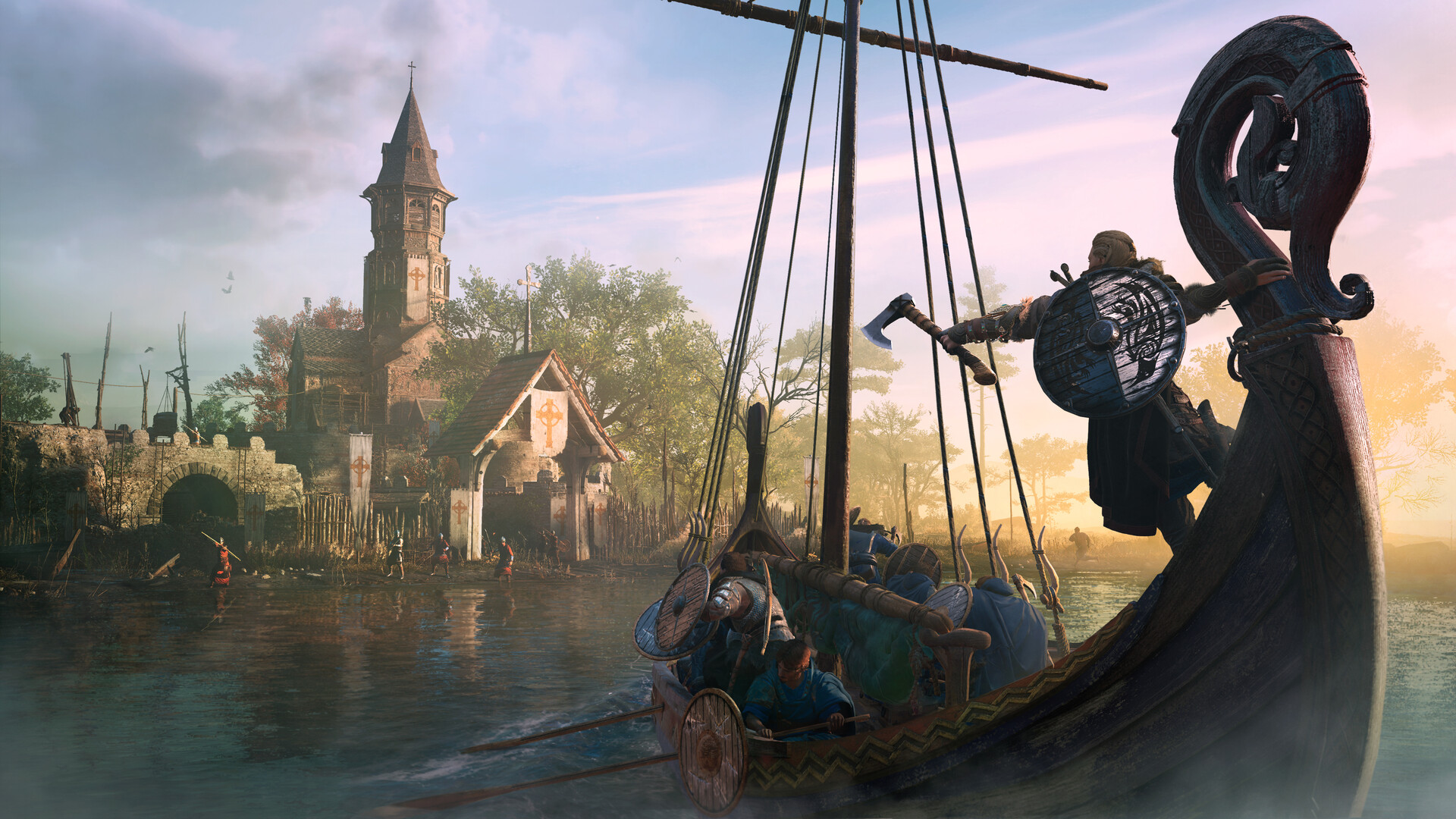
Instead, the Viking tale spreads itself thin across a numerous petty conflicts, none of which linger long enough to make a difference. You’re a Scandinavian conqueror stuck doing fetch quests for every two-bit noble with a score to settle. It’s diplomacy by formula, not by passion.
How the Protagonist’s Performance Shapes the Story
The Raven Clan warrior is many things: fighter, explorer, assassin-by-necessity. But “charismatic”? That’s a push. The actress leans toward poetic, which works in calm scenes but comes off strained during more dramatic moments. The actor, meanwhile, sounds like he took acting cues from a Viking-inspired community theater play.
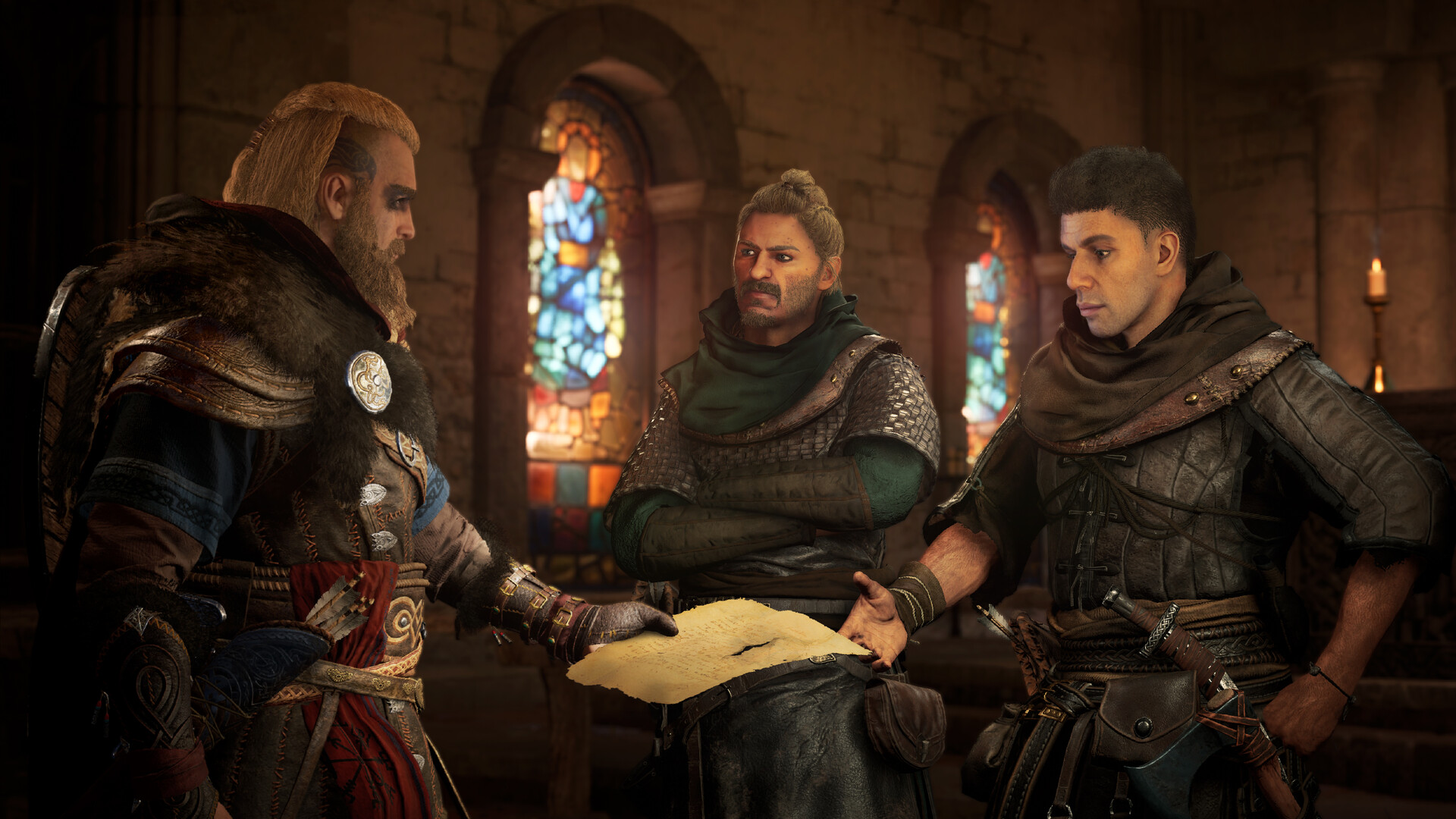
Eivor is crafted to be many things to many people, and as an outcome, they come off as nothing in notable. Unlike Bayek, who had emotional investment and a deeply human sorrow pushing him, or even Kassandra, whose charisma practically burst out of the monitor, the Viking feels more like a hollow shell built to fill objectives.
You don’t guide the protagonist because you choose to. You progress because the game forces your hand.
Breaking Boundaries in a Long-Running Series
At this stage, the ones who buy cheap PS4 games realize that the AC franchise is less a sequence and more a marketing label. It survives not by reinventing itself, but by recycling well-known features with different era-appropriate visuals. This game is a refined installment. The experience are fine. There are no glaring glitches, no obvious problems that ruin the adventure. But there also are not many bold choices. And maybe that’s the most critical thing about it.
Linking Past and Present Narratives
Here’s where this game does surprise: the modern-day story is… surprisingly well-written. After a long time of ignoring that entire plotline to the point of parody, someone in the writing room recalled that Layla exists and, more importantly, gave her a journey that doesn’t feel shoehorned at the eleventh hour.
Final Thoughts and Musings
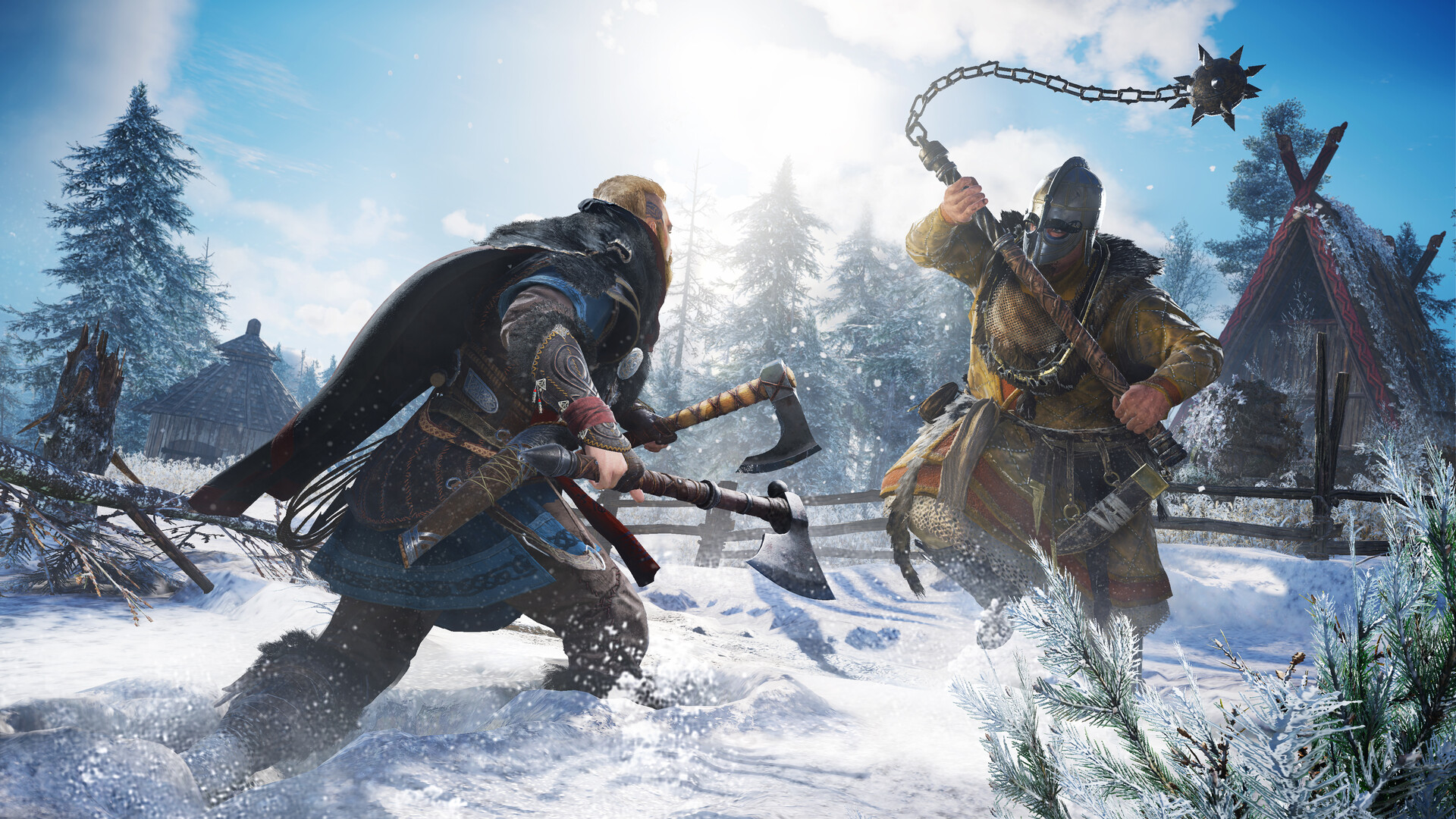
This game isn’t an awful game. And for those of us who remained loyal to this franchise since the days of the Masyaf legend and Desmond, it’s hard not to feel like we’re watching something we adored get trapped in its own reflection. It’s big. It’s loud. It’s competent. But it’s not brave. And if the franchise is going to matter again, “competent” just won’t cut it.
