
Cosmetics do not get rid of age places, yet they can certainly aid cover them. Ask your skin doctor, plastic surgeon, or a makeup specialist concerning brands and products that efficiently hide age areas. Medicines such as tetracycline, sulfonamides, acne medications, some antihistamines and certain arthritis medications, such as quinine, may trigger skin to become conscious sunshine.
Skin Cancer
- By understanding the causes of age spots and taking positive steps to prevent them, individuals can keep healthy, youthful-looking skin for many years ahead.
- Your skin specialist can use secure and efficient treatments that restore confidence and enhance your skin tone.
- Dermabrasion describes the medical planing or sanding of the skin’s outer layer.
- Similar to blemishes, Age Spots (other) been available in a wide range of dimensions and can show up anywhere on the body.
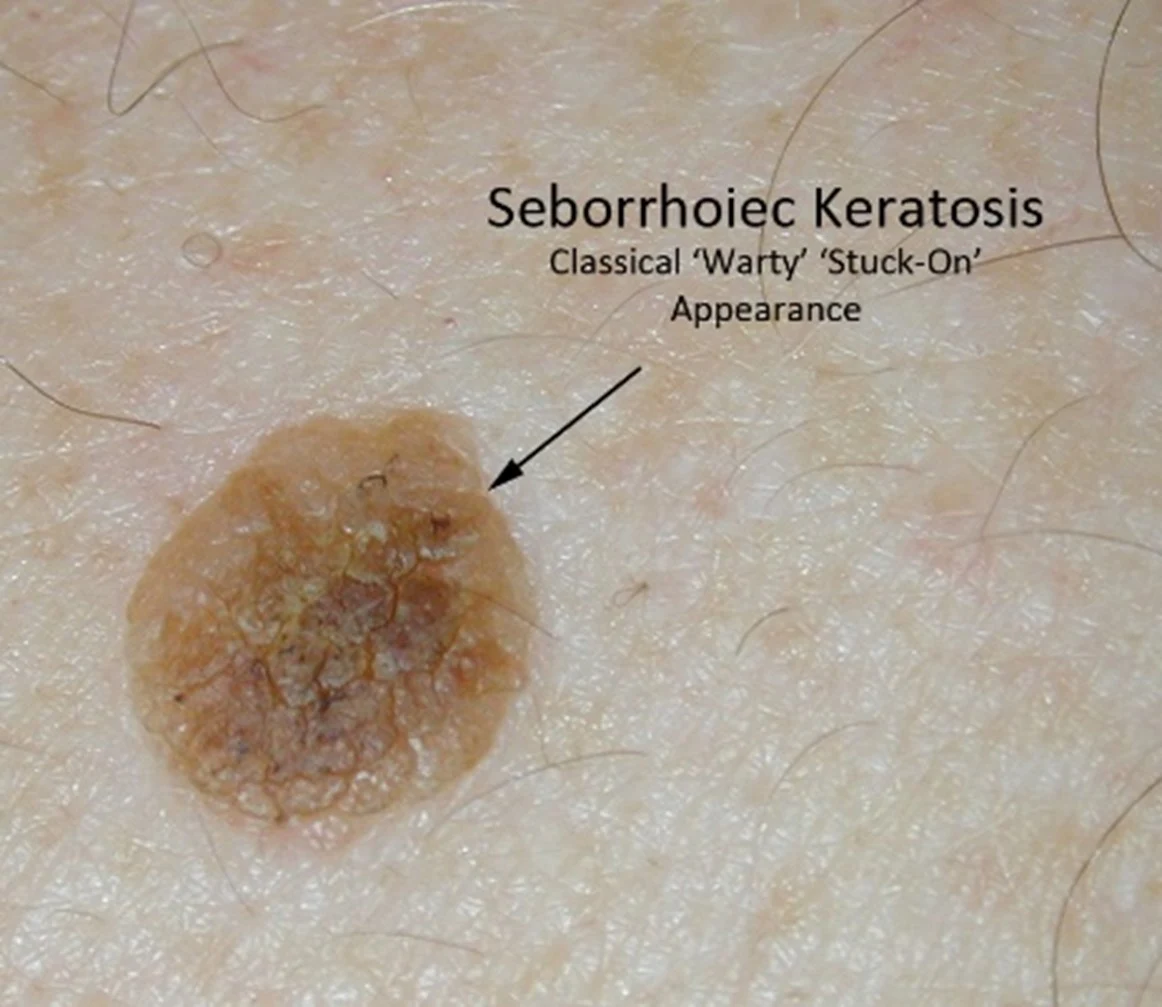
If your lesion is not dangerous, you may still wish to remove it for aesthetic reasons. They could also really feel the spot to determine whether it has actually an increased structure or the very same texture as your bordering skin. Have you saw a mark that looks like a large blemish on the back of your hand or on your cheek? Check out professional suggestions and skincare routines tailored to nourish and rejuvenate your skin tone, equipping you to embrace a luminous and youthful appearance. In addition, spots that are itchy, red or sensitive, or that bleed, ought to be checked for hatred. Seborrheic keratoses aren’t dangerous, but occasionally they can be hard to distinguish from cancer malignancy.
Solar Exposure
Flat, oblong locations of coloring, age spots have a tendency to show up on parts of the body, such as the face, hands, arms, shoulders and feet, that are subjected to the sun. Most typical in individuals older than 40, they can be freckle-sized or greater than a half-inch in size, and array in color from brown to black. Age areas generally form on areas of the body that are most regularly revealed to the sun, like the face, hands, neck, décolletage location, arms and legs. The main offender behind age areas is cumulative ultraviolet (UV) exposure from the sunlight or tanning beds. When your skin is revealed to UV rays with time, it generates excess melanin– the pigment that offers skin its shade– as a protective reaction.
Age areas, which are tiny, flat, brown or tan areas that typically show up on the face, hands, shoulders, or arms, are generally safe. However if you’ve seen brand-new places or changes in your skin, it’s constantly a good idea to be cautious. Your skin specialist, Dr. Vernon Mackey at Advanced Desert Dermatology in Peoria, AZ, can clarify when age places and other skin issues need exam. They are a common skin disease, especially among those over 50.
Therapy may include medical elimination, radiation treatment or immunotherapy. Use sun protection and have an annual full body check to remain healthy. Also, know that the sunlight is most extreme from 10 a.m to 2 p.m, so limit outdoor tasks throughout this moment of day.
This treatment involves removing a small piece of skin from the age area and sending it to a laboratory to test for cancer cells or various other problems. During a visual assessment, your doctor will examine the color, dimension, and form to establish whether your mark really is an age spot. Your physician may suggest a hostile treatment of Retin-A (scrubs so bleaching lotions will certainly better pass through) and hydroquinone. Melasma is challenging to treat since it has a memory; the slightest little sunlight will certainly set it off. If you discover any type of adjustments in skin spots or moles, it’s constantly best to have them examined by a medical professional.
At first, the signs of phototoxic light sensitivity show up much like a sunburn or breakout. The outcomes of this “sunburn” may consist of hyperpigmentation or brownish spots on the skin. This condition, which is more typical in females, triggers brownish or grey facial skin staining. Hormone modifications, certain medicines and genes are adding aspects, and sunlight direct exposure tends to make it even worse. Melasma caused by hormone adjustments, such as pregnancy, birth control or hormone treatment commonly fixes itself after maternity or when medicine is stopped. Since we know the fundamentals of what hyperpigmentation is (from part 1), it’s time to put on our investigative hats and get particular.
