
I’ve been embarking on this adventure for an extended period. From the rooftops of the ancient city to the stone pathways of the Medici’s domain, I’ve seen this lineage at its peak, its most sophisticated. I’ve witnessed its stories of belief and deceit, its main characters with a genuine passion in their hearts. So, when the studio unveiled a Scandinavian epic, a part of me—the part that still believes—wished. But after squandering more time than I’d like to confess plundering and sacking in Assassin’s Creed Valhalla, I’m left with the same jaded disillusionment that has become a recurring fixture. This isn’t a fierce warrior tale; it’s a meticulously refined, gorgeous game that feels like it’s sporting a numerous other, more triumphant games as a disguise.
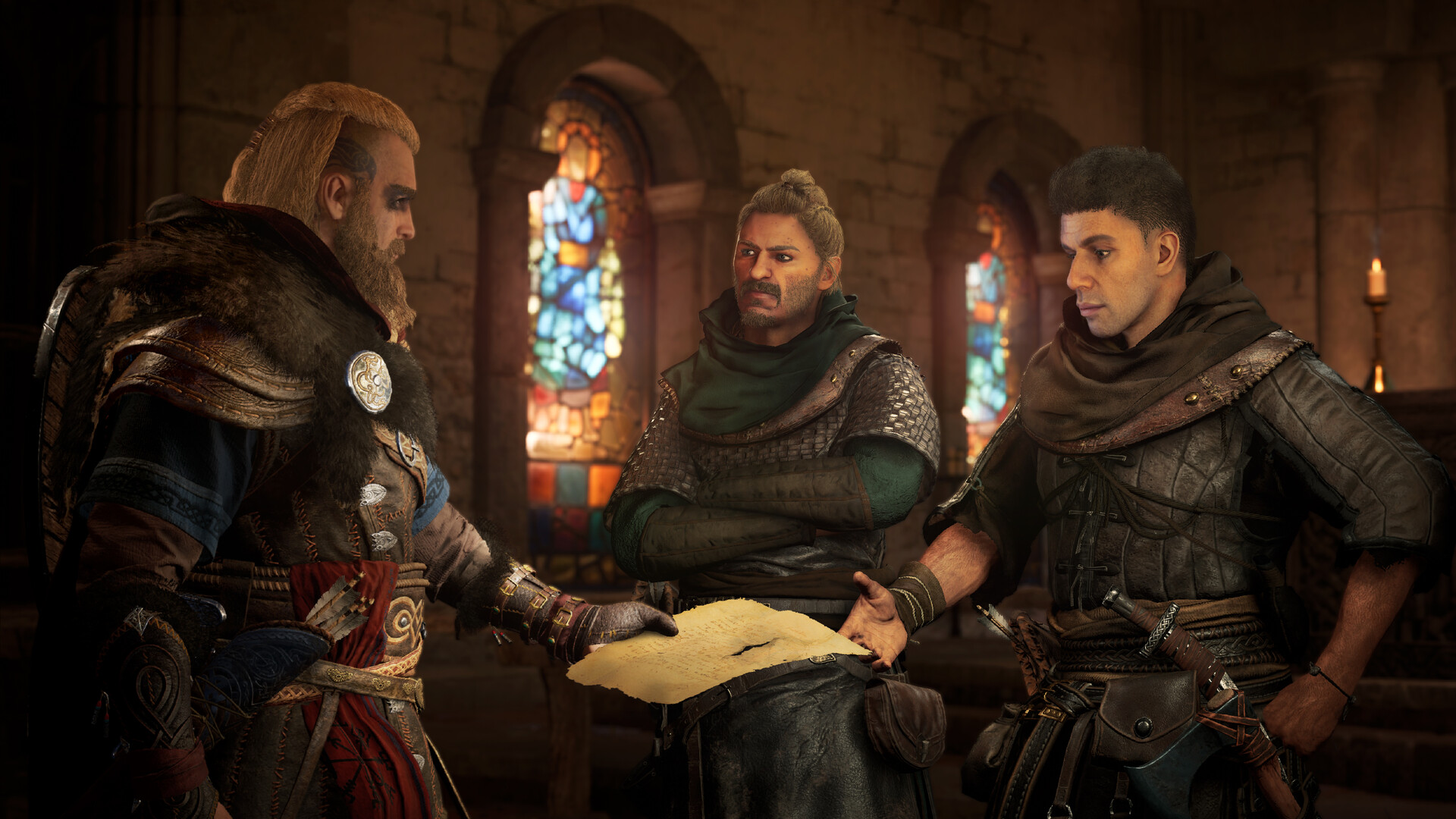
Game of Zones and Witches: Analyzing Thematic and Narrative Echoes
The fighting in the earlier games was a calculated, almost refined experience. You were a shadowy executioner, a quiet slayer. Then came the Greek adventure, and we were a mythical warrior, a solo force, which, while fun, felt a little too much. Now, in Assassin’s Creed Valhalla, we’re back to a new kind of extremism. The battles here is a disorganized encounter, a distant departure from the elegance of an Ezio or the deliberate subtlety of an Altaïr. It’s a lumbering, heavy mechanic that feels more like a tavern fight than a conflict waged by a seasoned warrior. The dual-wielding of every possible weapon, including shields, is a new concept, but it ultimately turns most fights into a button-mashing madness where you’re just trying to land a blow before you get hit back. It feels grounded, sure, but it’s also extremely directionless. The sensation of being a Scandinavian raider is certainly there, but the notion of being a the franchise’s hero is not.
Eivor: The Protagonist as a Narrative Catalyst
It’s unrealistic to talk about Valhalla’s plot without talking about the two massive influences it operates within: the HBO series and CD Projekt Red’s masterpiece. The game’s framework, with its series of territory-based stories where you commit support to different factions, is an obvious homage from The Witcher 3’s quest design. The never-ending political backstabbing and maneuvering, meanwhile, feel like a heavy-handed homage to Game of Thrones. The flaw is that these references, while clear, feel superficial. In this game, they are downgraded to “side distractions,” short, often nonsensical scenes that feel less like missions and more like filler. I could go on endlessly about the quantity of times I found myself assisting some nameless NPC for a worthless reward, all while asking, “why?” The game tries to be both a power struggle and a large-scale adventure, but it lacks the authentic humor and credible drives of the works it’s copying.
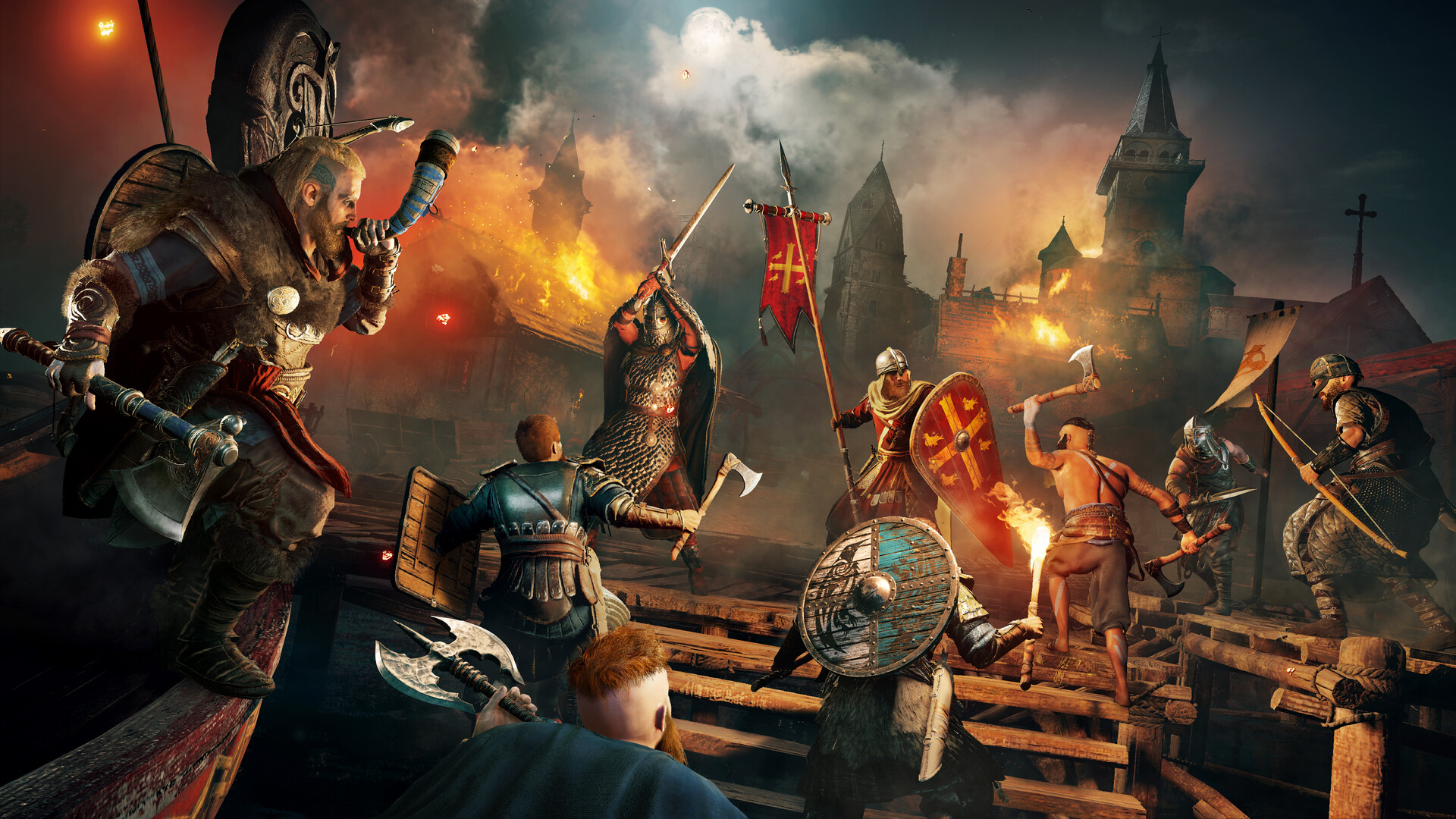
From Ballet to Brawling: The Unwieldy Evolution of Combat
A memorable hero needs to be more than just a vehicle for the player to use. A main character should have an identity, a disposition, and a drive that feels genuine to the narrative. I remember the Spartan’s charm and tragic confidence. I remember the pain in Connor’s eyes. Then we have Eivor. But the character’s reserve, while appropriate for a Viking, often comes across as a void of character. The character feels like a blank slate, an individual defined more by the decisions the player makes than by any intrinsic traits. The writing just doesn’t give us enough to grasp.
Breaking Down the Myth of Innovation’s Profitable Formula
How does a longstanding property like the stealth-action saga stay innovative? The answer, at least in the Viking installment, is that it does not. It sticks to a winning, albeit tired, method. The game is a glorious Norse-inspired open world, but it’s an environment we’ve already experienced, with brazenly reskinned elements and mechanics that feel borrowed straight from the previous two games. The pure scale is impressive, and the world is stunning, but a pretty land is not enough to sustain a game when the notions driving it are so old. The present-day plot, however, is a scarce and pleasing glimmer of promise, a genuine effort to connect the past tale to the current times in a meaningful way.
Assassin’s Creed Valhalla is not a terrible game. But it is, more critically, not an exceptional Assassin’s Creed game.
A Critical Analysis of Assassin’s Creed Valhalla’s Political Drama
Combat Mechanics: A Deeper Look at Their Evolution
The AC franchise has always toyed with the perception of strength. From the methodical, elegant attacks of the Italian legend to the almost godlike power of the Eagle Bearer, the series has never hesitated to embrace making its main characters feel like walking gods. Then came the Viking chapter, with its messy melee system that exchanges accuracy for savagery. The change is apparent from the first time you wield a weathered war tool and get hurled into a scuffle that looks more like a drunken melee than a battlefield.
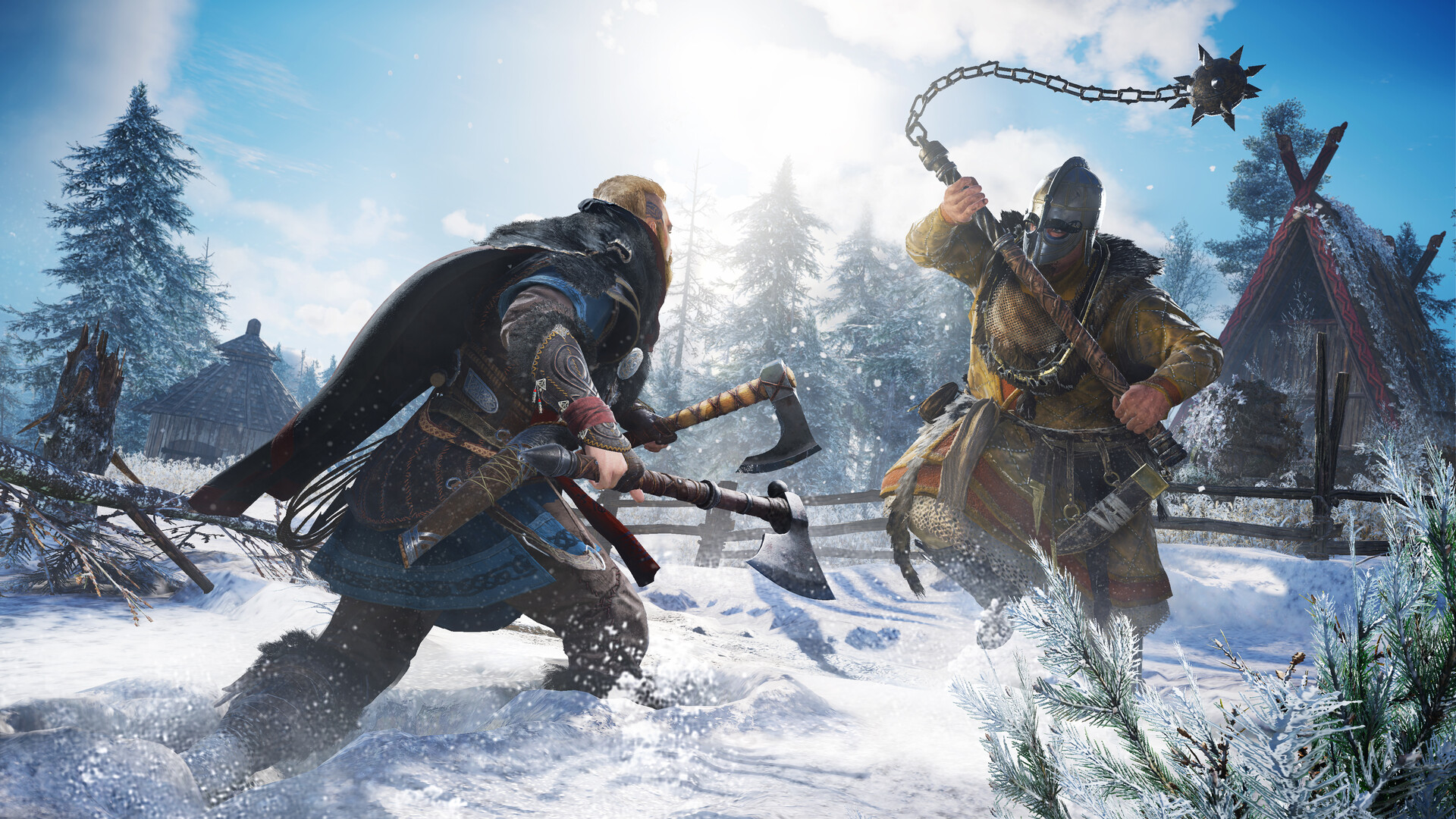
Even if you buy PC games, there is some things to be expressed for grounding the fighting. It feels less like you’re planning a dance and more like you’re enduring a tavern scrap. Swinging your axe into a fighter’s shield and watching steel rebound has a brutal thrill. But after a several fights? The freshness wears off. The skill is absent. What lingers is an unwieldy mechanic that doesn’t know if it wants to be tactical or spammy. It forces you into these chaotic encounters where blocking feels unnecessary and ability systems dole out boosts like sweets at a Scandinavian Halloween party. If Origins made you a near-deity and Odyssey crowned you a literal one, this game drags you to reality—and then drowns you under redundant movements and sluggish responsiveness.
A Deep Dive into Narrative and Thematic Influences
If the Viking saga wanted to be Assassin’s Creed meets The Witcher 3, it definitely brought the set pieces: brooding vistas, courtly rivalries, and lots of brooding aristocrats who don’t know if they want to kill you or marry you. But mood isn’t narrative, and copying isn’t creativity.
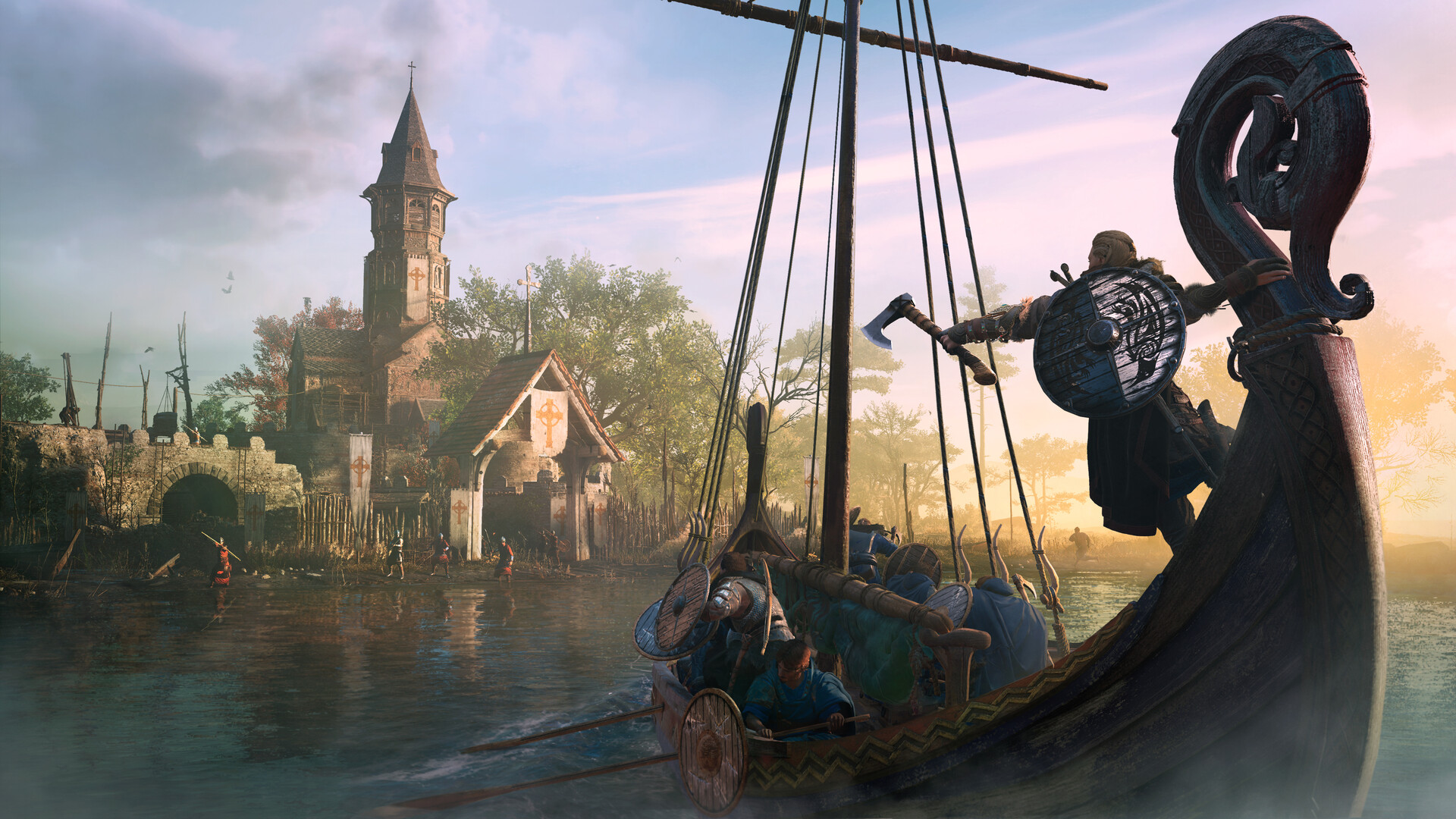
The GoT inspiration is obvious—and not just because every other lord seems to have a dagger hidden behind their back. this game tries its hand at scheming, but it feels like someone glanced at a wiki summary of Lannister schemes and said, “Sure, we can do that.” Dialogue options feature, sure. But most of them are meaningless at best, superficial at worst. Execute this ruler, spare that leader—the story trudges on with little consequence. It lacks the bold storytelling of The Witcher 3, where every action leaves grime under your hands.
Instead, the Viking tale dilutes its focus across a numerous trivial conflicts, none of which last long enough to make a difference. You’re a Viking warlord stuck doing local errands for every small-time chieftain with a score to settle. It’s statecraft by rote, not by belief.
Grasping the Protagonist’s Role and Performance
The Raven Clan warrior is many things: warrior, traveler, assassin-by-necessity. But “charismatic”? That’s a stretch. The performer gravitates to melancholic, which works in introspective sequences but comes off unnatural during more dramatic moments. The male voice actor, meanwhile, sounds like he took delivery tips from a Norse-themed local stage performance.
