
Investing in precious metals has gained popularity as a means of diversifying investment portfolios and protecting wealth against inflation and economic downturns. One of the most effective ways to invest in metals is through a Metals Individual Retirement Account (IRA). This article aims to provide a comprehensive understanding of Metals IRAs, their benefits, types of metals eligible for investment, and the process involved in setting one up.
What is a Metals IRA?
A Metals IRA is a self-directed individual retirement account that allows investors to hold physical precious metals as part of their retirement savings. Unlike traditional IRAs that typically hold stocks, bonds, or mutual funds, a Metals IRA enables individuals to invest in tangible assets such as gold, silver, platinum, and palladium. This type of investment is particularly appealing to those looking to hedge against inflation and economic instability.
Benefits of a Metals IRA
- Hedge Against Inflation: Precious metals have historically maintained their value over time, making them a reliable hedge against inflation. As the cost of living rises, the value of metals like gold and silver tends to increase, providing a safeguard for retirement savings.
- Portfolio Diversification: Including metals in an investment portfolio can reduce overall risk. Precious metals often have a low correlation with traditional assets, meaning they can perform well even when stocks and bonds are underperforming.
- Tax Advantages: Metals IRAs offer tax benefits similar to traditional IRAs. Contributions may be tax-deductible, and the growth of the investment is tax-deferred until withdrawal. Additionally, qualified distributions in retirement are taxed at ordinary income rates, which may be lower than capital gains rates.
- Protection Against Economic Instability: In times of economic uncertainty, investors often turn to precious metals as a safe haven. Metals tend to retain their value better than fiat currencies during financial crises, providing security for retirement funds.
Types of Metals Eligible for Investment
Metals IRAs primarily focus on four types of precious metals:
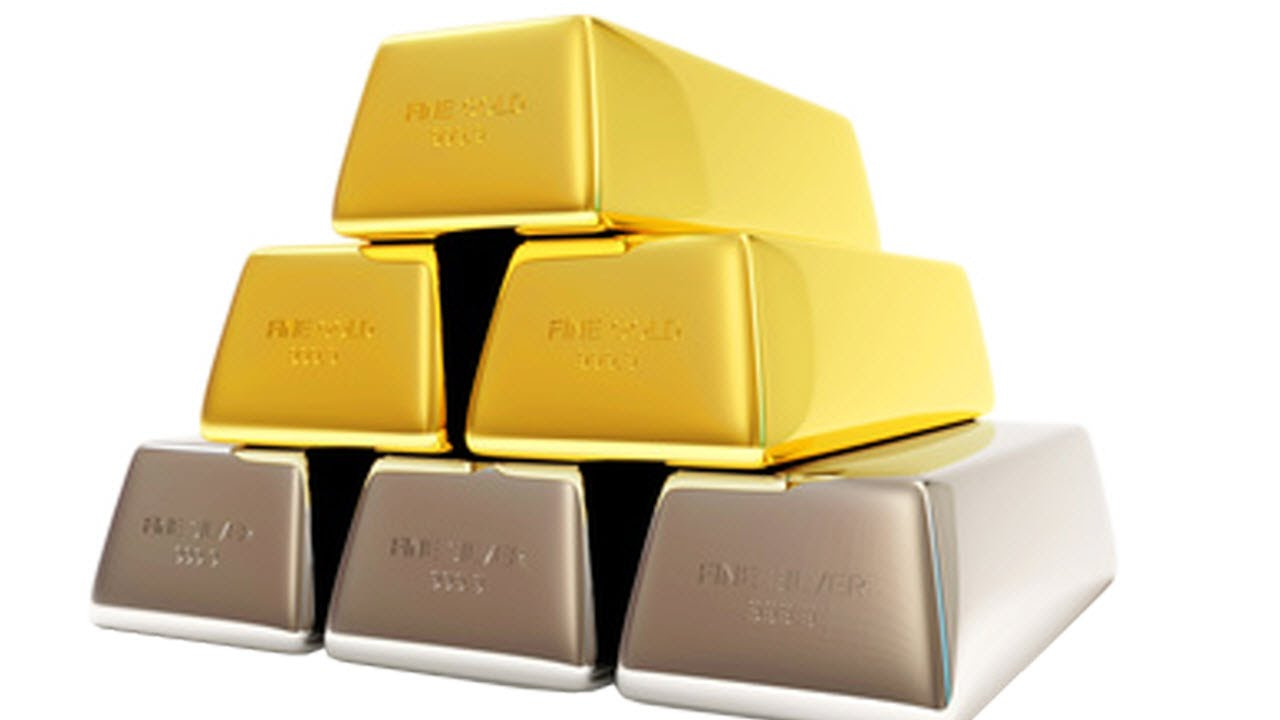
- Gold: Gold is the most popular choice for investment in a Metals IRA. It is recognized globally as a store of value and is often seen as a safe haven during economic downturns. To qualify for a Metals IRA, gold must meet specific purity standards, typically 99.5% or higher.
- Silver: Silver is another widely invested metal, known for its industrial applications as well as its value as an investment. Like gold, silver must meet a minimum purity requirement of 99.9% to be eligible for a Metals IRA.
- Platinum: Platinum is rarer than gold and silver, making it an attractive investment option. It is used in various industries, including automotive and jewelry, which can drive its demand and value. Platinum must also meet the required purity standards to qualify for a Metals IRA.
- Palladium: Palladium has gained attention in recent years due to its use in catalytic converters and other industrial applications. Similar to platinum, it is a precious metal that can be included in a Metals IRA if it meets the necessary purity levels.
Setting Up a Metals IRA
Establishing a Metals IRA involves several steps:
- Choose a Custodian: The first step in setting up a Metals IRA is to choose a qualified custodian. The custodian is responsible for managing the account and ensuring compliance with IRS regulations. It is essential to select a custodian with experience in handling precious metals.
- Open the Account: Once a custodian is selected, the investor must open a Metals IRA account. This process typically involves filling out an application and providing necessary identification and financial information.
- Fund the Account: Investors can fund their Metals IRA through various means, including direct contributions, rollovers from existing retirement accounts, or transfers from other IRAs. It is crucial to adhere to IRS guidelines during this process to avoid penalties.
- Select Precious Metals Investor guide Metals: After funding the account, investors can choose the specific metals they wish to purchase. The custodian will facilitate the purchase of the metals, which must meet IRS-approved standards.
- Storage of Metals: Physical precious metals held in a Metals IRA must be stored in an approved depository. The IRS mandates that metals cannot be stored at home or in personal safes. The custodian will assist in arranging secure storage in an IRS-compliant facility.
IRS Regulations and Compliance
Investors must adhere to specific IRS regulations when managing a Metals IRA. These regulations include:
- Qualified Metals: Only certain types of metals are eligible for investment in a Metals IRA. These metals must meet specific purity standards and be produced by approved mints.
- Storage Requirements: As mentioned earlier, physical metals must be stored in an IRS-approved depository. The depository must provide secure storage and insurance for the metals.
- Prohibited Transactions: Investors must avoid prohibited transactions, such as using the metals for personal use or selling them outside the IRA. Engaging in prohibited transactions can lead to penalties and disqualification of the IRA.
Conclusion
A Metals IRA offers investors a unique opportunity to diversify their retirement portfolios with tangible assets. By understanding the benefits, eligible metals, and the process of setting up a Metals IRA, investors can make informed decisions that align with their financial goals. As with any investment, it is essential to conduct thorough research and consult with financial advisors to ensure compliance with regulations and to maximize the potential benefits of investing in precious metals. In an ever-changing economic landscape, a Metals IRA can provide a sense of security and stability for retirement savings.
