
The Continuously Developing Art of Video Game Combat
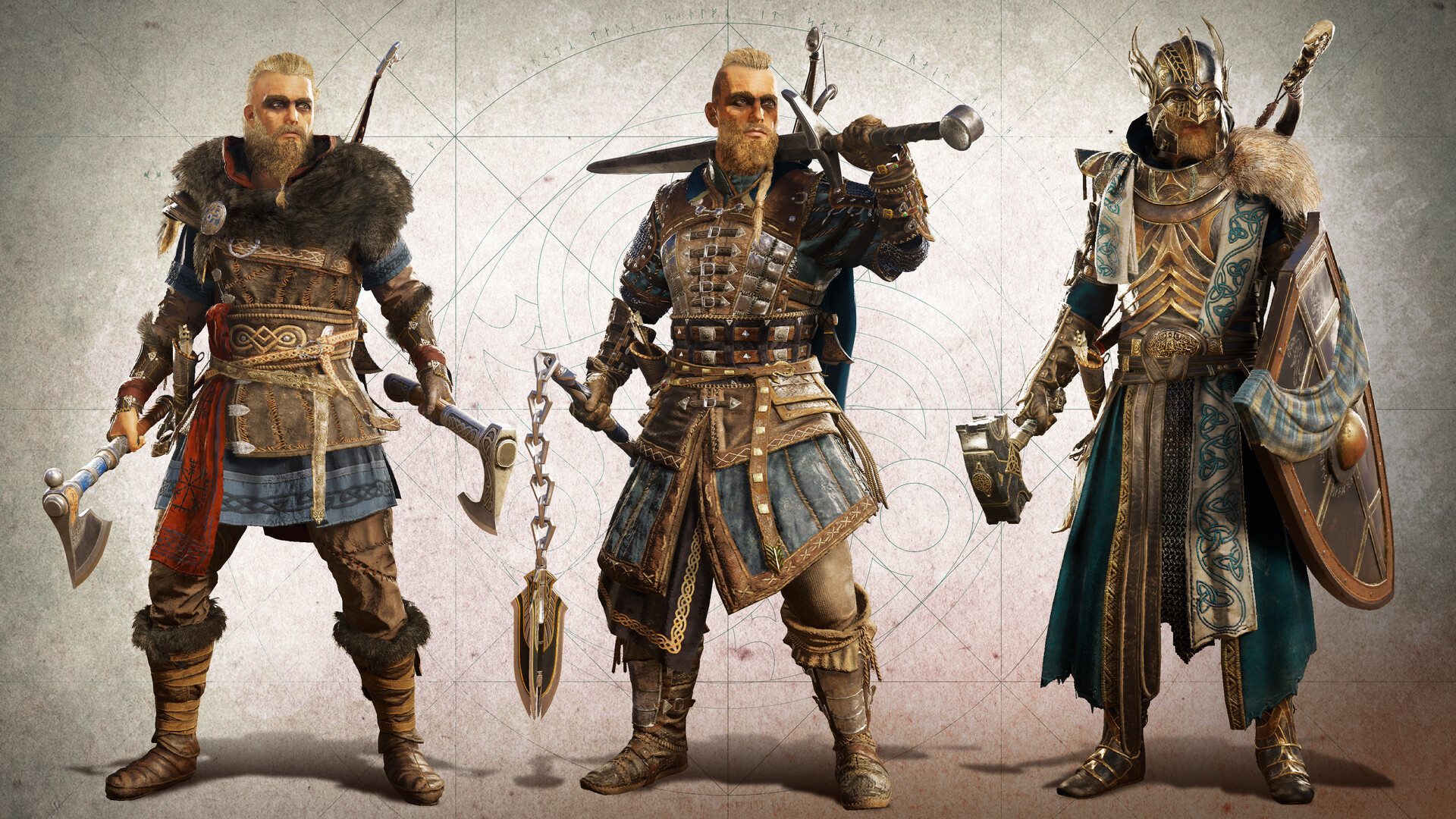
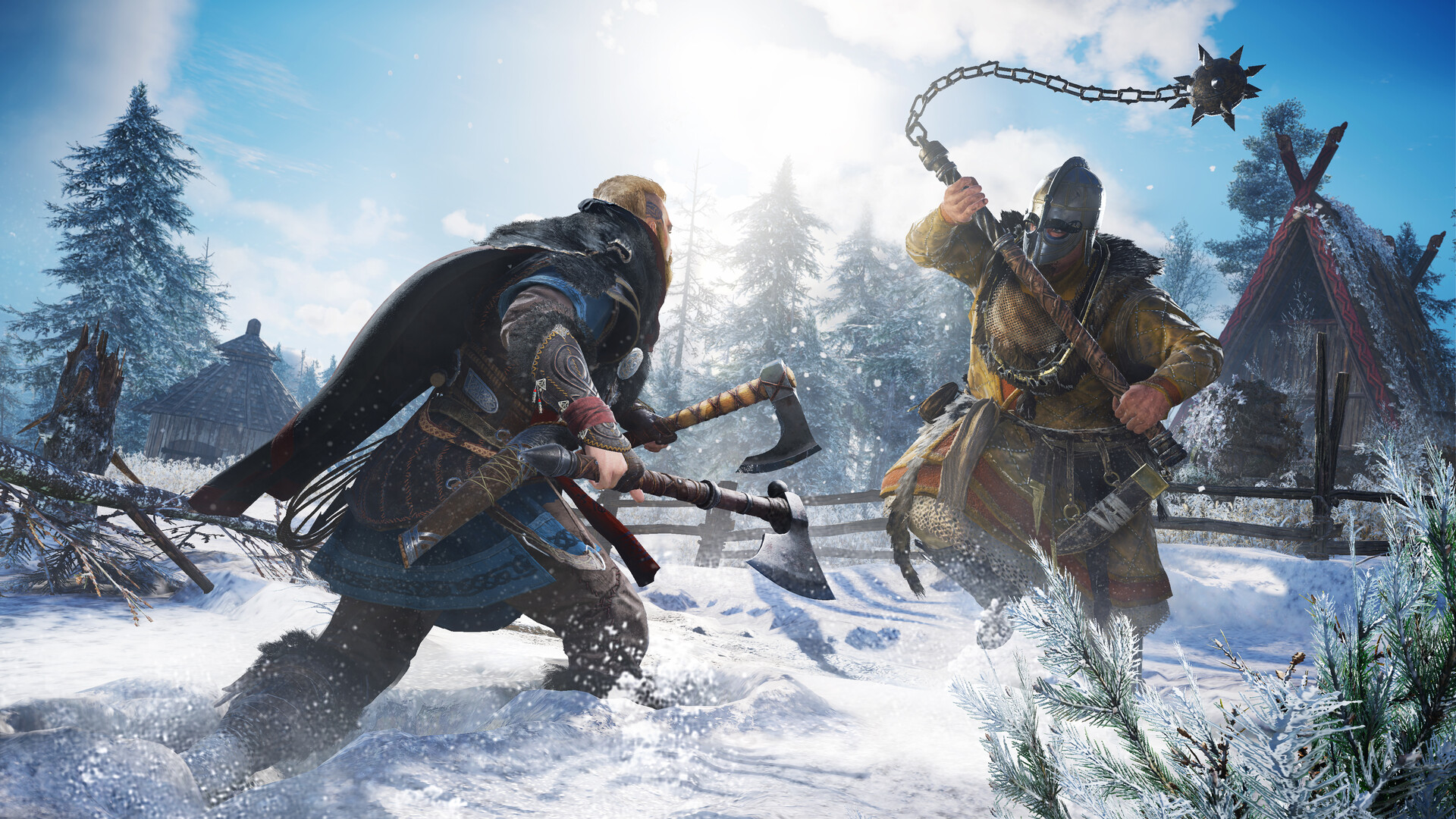
Fighting in Assassin’s Creed Valhalla is a significant departure from the exactness of earlier titles. Absent now are the moments when you could glide across a battlefield like a mythic hero, blocking with finesse and eliminating enemies with a flick of the wrist. Rather, Valhalla throws you into disorderly hand-to-hand combat that feel more like a rowdy pub brawl than a tactical engagement. And while that might appear to be a regression, it’s not entirely without merit.
There’s a certain tactile authenticity to Valhalla’s battle mechanics. You perceive the mass of every weapon strike, the crunch of bone under steel, and the drain of lengthy engagements. It’s unpolished, visceral, and sporadically enjoyable. But the problem is that it’s also unfocused, like best cheap Xbox games. Foes converge without much battle differentiation, and the fighting often descends into chaotic reflex-driven gameplay rather than deliberate fighting. The precision is missing, substituted with brute force and an endurance gauge that feels more like a leash than a mechanic.
It’s a shift that could attract admirers of raw, brutal combat, but for those who remember the refinement of Ezio’s counters or the fluidity of Connor’s dual-wielding, it’s hard not to see this as a regression. Advancement isn’t always an indicator of improvement—it merely signifies change. With Valhalla, it’s a shift that gives up clarity for chaos.
How Story and Themes Shape Modern Storytelling
Valhalla wears its influences on its Nordic attire. The political intrigue and ethical complexity of the Thrones universe are present in the recurring coalitions, double-crosses, and tactical gambits. CD Projekt’s influence is unmistakable in the form of sprawling side quests that promise depth but often result in nothing but item retrievals cloaked in Viking lore.
The issue isn’t that Valhalla borrows—it’s that it imitates without grasping what made those tales engaging. It provides branching paths, certainly, but they seldom carry weight. You can support one petty king over another, but the result is usually the same: another raid, another region conquered, a discarded legacy.
That RPG excelled because its world felt alive, its plotlines character-driven. The Viking landscape is expansive, but it’s lacking depth. Characters appear to be engaged passively, not to be remembered. The power dynamics are there, but they lack teeth. It’s as if the story architects reviewed the highlight reels of their beloved series and decided that was enough. Unfortunate fact: it wasn’t.
The protagonist and performance
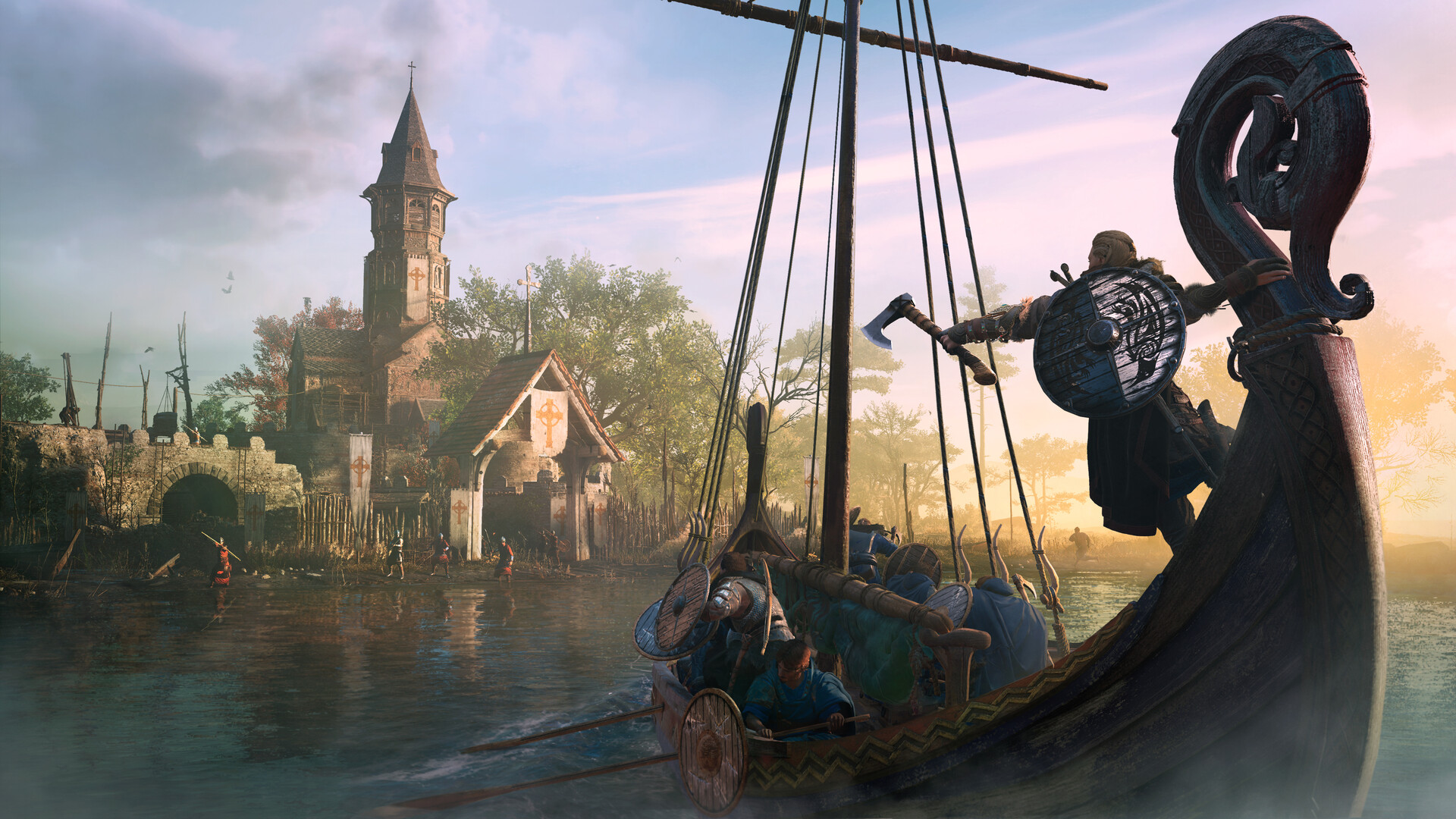
Eivor, the Viking hero through this saga, is a character caught between two extremes. On one hand, the voice acting tends towards the theatrical, with dramatic statements and overwrought monologues that feel ripped from a high school Shakespeare play. On the flip side, there are moments of true emotion—soft musings, haunted tones—that suggest a deeper, more captivating character.
But these moments are fleeting. Eivor is likable enough, but never truly memorable. They are without the charisma of Ezio, the gravitas of Bayek, or even the conflicted charm of Kassandra. Rather, they reside in a transitional area—serviceable, but easily forgotten. The acting is competent, but it rarely elevates the content. It’s a challenge to be invested about a character who seems more like a vehicle for quests than a person with agency.
Methods for Innovating a Long-Running Franchise
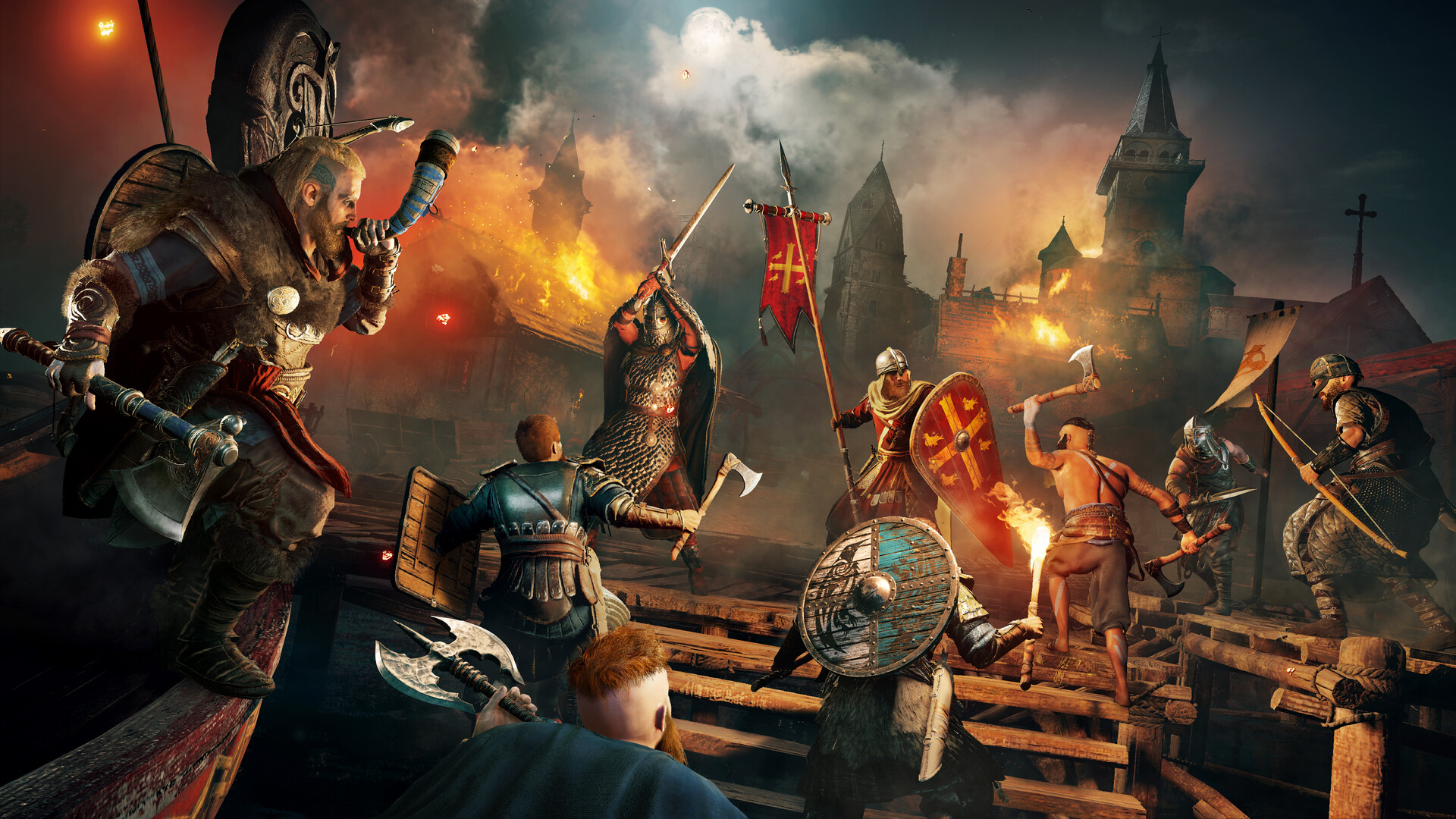
Assassin’s Creed is a franchise that’s been around for so long to have its own battle scars. Innovation is difficult when you’ve already reinvented yourself repeatedly. Assassin’s Creed Valhalla doesn’t seek to innovate—it polishes the old one. And to its advantage, it does so with a certain skill.
The core experience is stable. The game space, while excessive, is beautiful. The narrative, though unoriginal, is easy to follow. It’s a risk-averse chapter, one that doesn’t challenge norms but also doesn’t collapse entirely. In a collection that’s seen both brilliant successes and painful flops, the latest title sits in the center. It’s the kind of game that you play, appreciate, and then stop thinking about after a while.
That’s not necessarily a bad thing. Not every installment needs to transform the formula. Sometimes, a competently delivered template is sufficient. But for series veterans who’ve been with the title since the first leap took that legendary dive, it’s difficult to avoid hoping for something more innovative.
Connecting Historical and Modern Narratives in Fiction
A particular part in which Valhalla shows real progress is in its handling of the historical and modern-day narratives. For years, the modern segments came across as contractual obligations—awkward interludes that disrupted the primary story. However, Valhalla succeeds to blend them with unexpected coherence.
If you buy PS5 games, you will see transitions are more seamless, the stakes better defined. The modern-day hero is not merely a faceless hacker—they possess a purpose, a personality, and a connection to the historical events. And on that point, Valhalla is more successful than it is a failure. Finally, Assassin’s Creed Valhalla is a game of contradictions. It’s ambitious yet unoriginal, down-to-earth yet tumultuous, refined yet cautious. Perhaps Valhalla is not attempting to be the greatest Assassin’s Creed—it’s just trying to be a good one. The question of whether that’s enough rests on how much you’re willing to forgive.
