
Ubisoft’s Viking epic demands to be experienced on next-gen systems. This reality is obvious the instant you launch it on a PlayStation 5 or Xbox Series X. The lightning-fast loading speeds, sharper textures, and smoother performance enhance the experience to near-cinematic levels. The environment breathes more organically, and shifts between discovery and battle feel more seamless. Yet even on these powerful consoles, Valhalla shows cracks—screen tearing, occasional frame drops, and animation oddities remain.
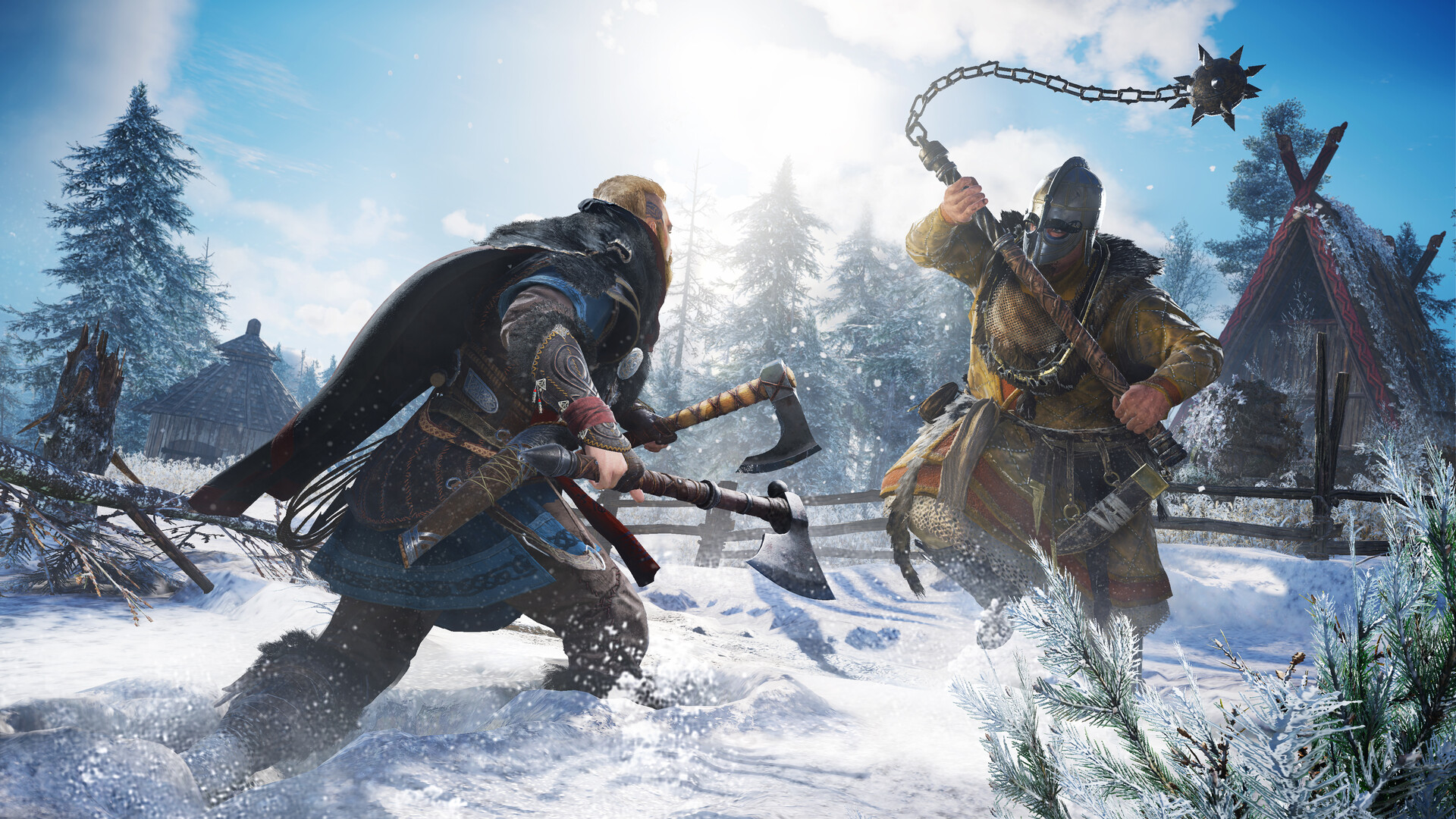
On previous-generation systems, however, the game buckles under its own scope. Waiting periods stretch into minutes, environments pop in belatedly, and the frame rate dips often enough to break engagement. The majesty of Dark Ages England forfeits its luster when the engine can’t keep pace with its design. It’s not merely about visuals—it’s about responsiveness. And on last-gen consoles, Valhalla feels unresponsive, as if battling against its own bulk.
Lumbering and Unrealistic Combat Sequences Induce User Tiredness
Valhalla’s central combat rhythm centers on hack-and-slash fighting, and at first glance, it appears improved when buy new games XBOX ONE. Relative to Origins and AC Odyssey, the animations are weightier, the impact of each blow more visceral. There’s a satisfying rhythm to linking light and powerful attacks, dodging, and parrying. The two-weapon mechanic introduces personalization that invites experimentation, and initial encounters feel energetic and engaging.
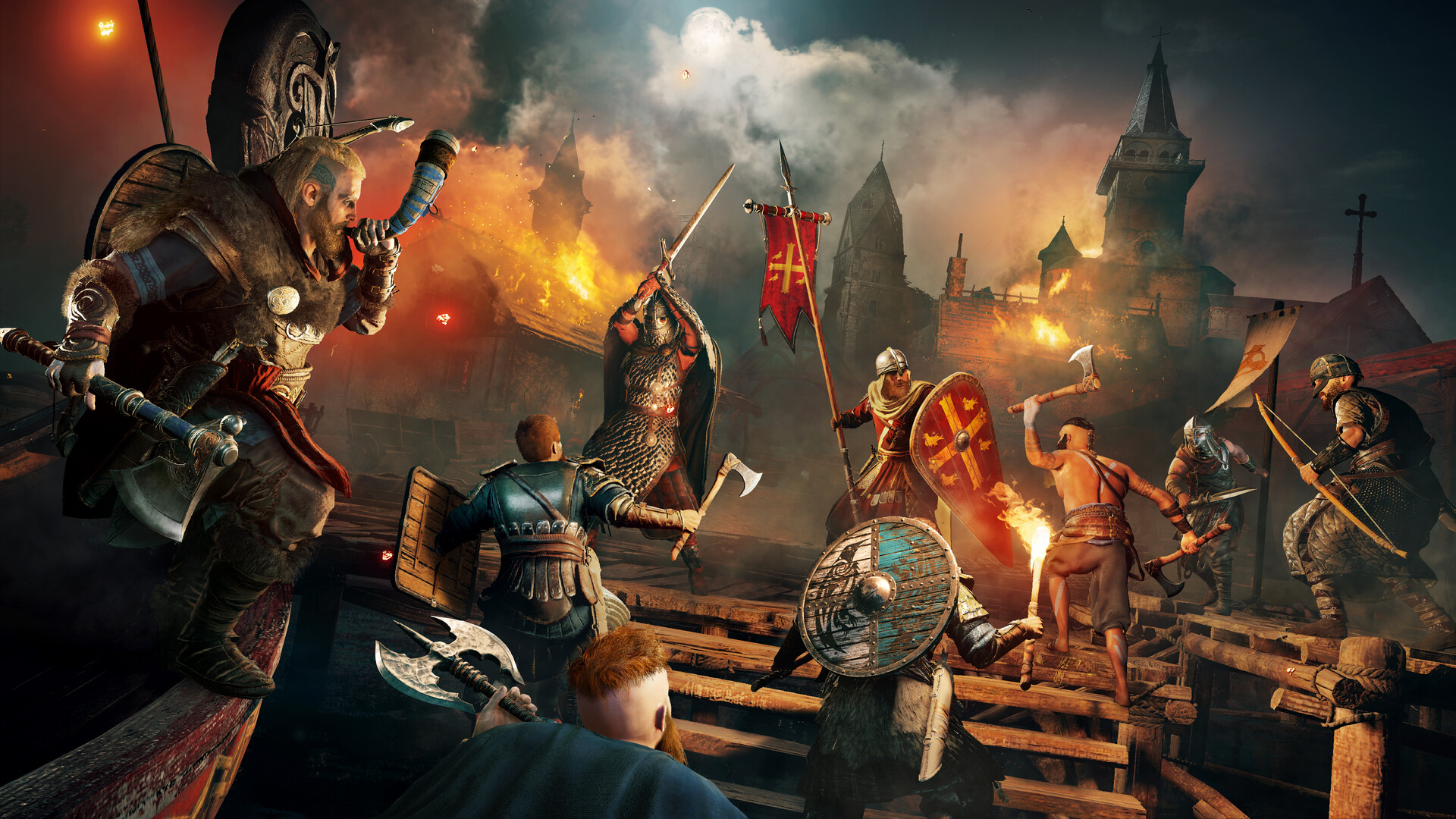
Yet this illusion of fluidity falters. As hours pass, the flaws emerge. Combat turns awkward, monotonous, and strangely disconnected to player inputs. The protagonist must move at point-blank range, set their feet, and then execute an attack—often with a lag that makes the action sluggish. The absence of seamless transitions between exploration and combat shatters the flow, making battles feel more like obligations than thrills. It’s a harsh contrast to the smoother mechanics in its predecessor, where combat felt like a natural continuation of the experience rather than a disjointed mode.
A Byzantine Concealment Framework Lacking an Objective
For gamers who prefer sneaking, Valhalla proves a frustrating affair. The avian scout, once a trustworthy reconnaissance asset, now bafflingly cannot tag enemies. This seemingly minor change undermines the entire reconnaissance process, requiring players to depend upon mental notes and estimation rather than calculated setup. Off-limits zones are convoluted, with ambiguous boundaries and unpredictable guard patterns. The game frequently neglects to communicate whether you’re hidden or exposed, leading to abrupt alerts and chaotic skirmishes.
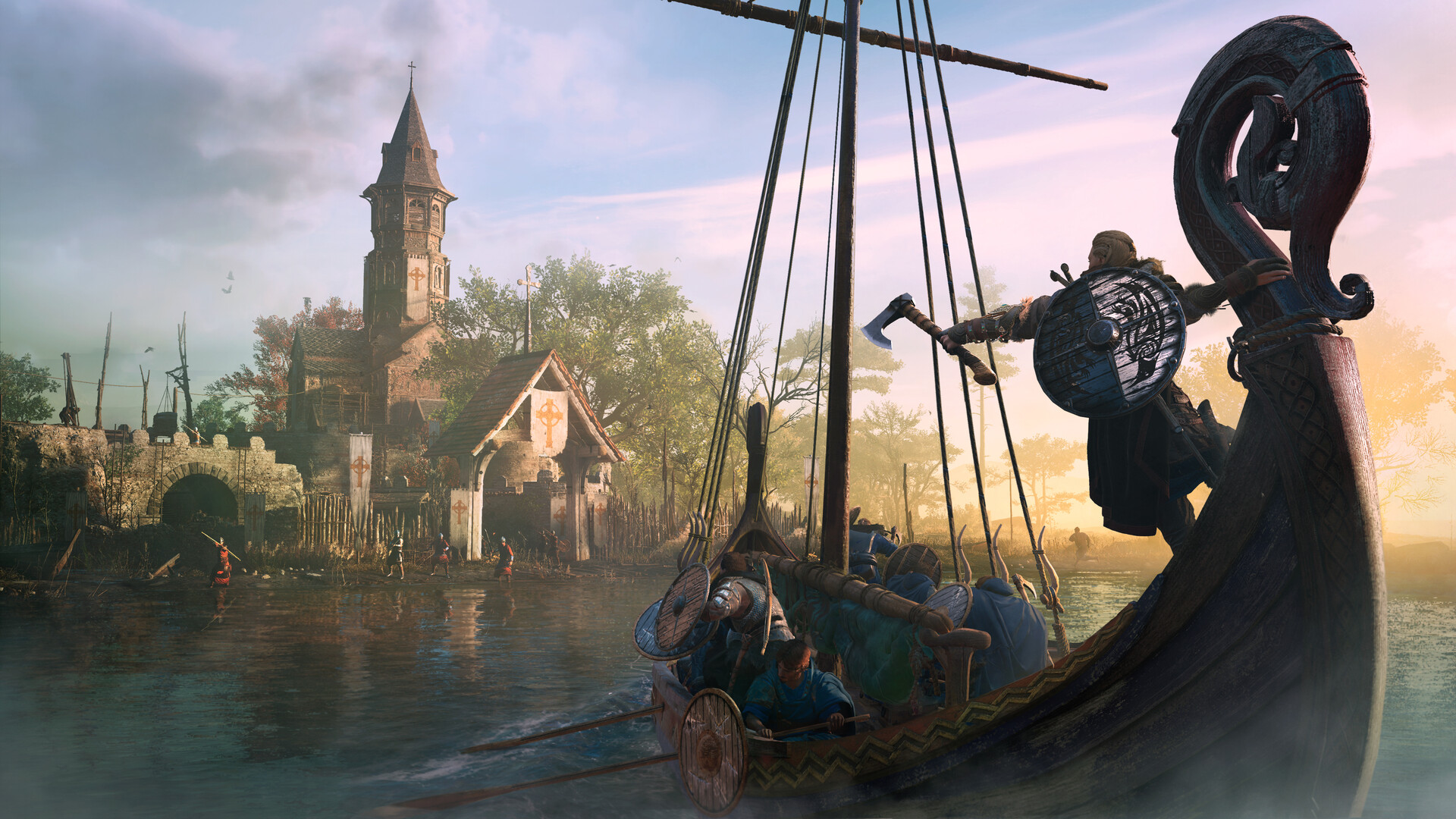
This lack of clarity erodes the infiltration fantasy that past games like Syndicate and Unity executed so well. In Valhalla, stealth feels like an add-on—a secondary layer that’s poorly integrated into the overall design. The mechanics exist, but they’re hampered by decisions that favor direct confrontation over finesse.
The Flailing Session: A Lack of Battle Stability
The pacing of combat is another aspect where Assassin’s Creed Valhalla falters. Eivor’s attacks require deliberate placement, often necessitating a complete halt to execute a hit. This mechanic, while perhaps intended to evoke the heft of Viking combat, ultimately feels unnatural. It’s not just the closeness requirement—it’s the immobility. The result is a combat system that misses momentum, where every encounter feels like a halting process.
This philosophy conflicts with the game’s open-world structure, which rewards uninterrupted travel and discovery. When combat interrupts that pace, it feels like a detour rather than a continuation. The animations, while detailed, don’t compensate for the absence of responsiveness. You’re not dancing with your foes—you’re pausing for your turn to attack.
The Advanced-Gen Journey: How Tech Molds Gameplay
Valhalla’s combat scenarios are a study in imbalance. At moments, the game hurls endless streams of foes at you, producing a feeling of unending warfare. These instances can be exhilarating, but they quickly become monotonous when the enemies are missing diversity or tactical depth. Other occasions, a single combatant can launch you through the air like a projectile, breaking the rhythm of combat and pushing you into a defensive loop.
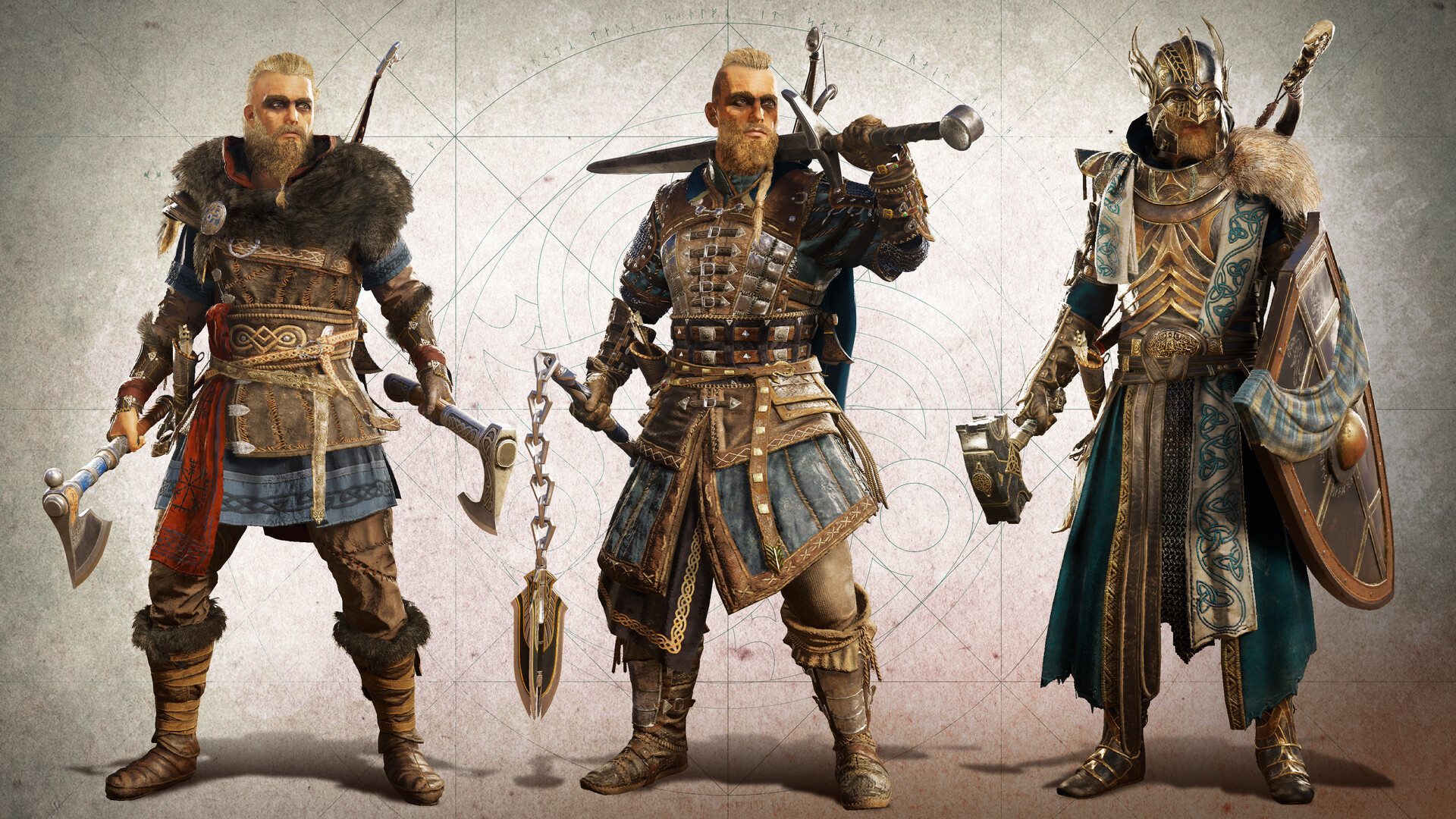
This inconsistency in challenge makes it difficult to gauge your growth. Leveling up doesn’t always equate to feeling more powerful, and opponent progression often feels random. The game wants to challenge you, but it doesn’t always understand how. Instead of crafting battles that test your skills, it relies on overwhelming numbers and inflated attributes to generate tension.
Conclusion: A Viking Epic with Unsteady Footing
Assassin’s Creed Valhalla is a game of contrasts. It aspires to grandeur but stumbles in execution. On modern systems, it impresses—until it doesn’t. Its combat is smooth—until it’s not. Its stealth mechanics are present—but barely. And its difficulty curve is less a gradient than an erratic line.
As a dedicated enthusiast of the franchise and a history enthusiast, I hoped to adore Assassin’s Creed Valhalla. I desired to lose myself in its world, to feel the gravity of Eivor’s journey, to explore the traces of the history. But the game’s design choices often yanked me out of that immersion. Valhalla is grand, yes—but scope alone doesn’t make a game exceptional. Consistency, clarity, and cohesion do. And in those areas, Valhalla still has a considerable distance to go.
