
The Difficult Evolution of Combat: From Demigods to Drunken Brawlers
Let’s establish this upfront—Assassin’s Creed has been unsure what it desires its combat to be since Unity face-planted into the Seine. Odyssey went all-in on Hellenic superhuman saga, enabling you to punt hired blades off cliffs akin to some sort of leather-clad Zeus. Assassin’s Creed Valhalla, by comparison, endeavors to bring things back down to reality. Eivor is not a demigod; they are merely a highly resolute Viking with a keen axe and a questionable concept of personal space.
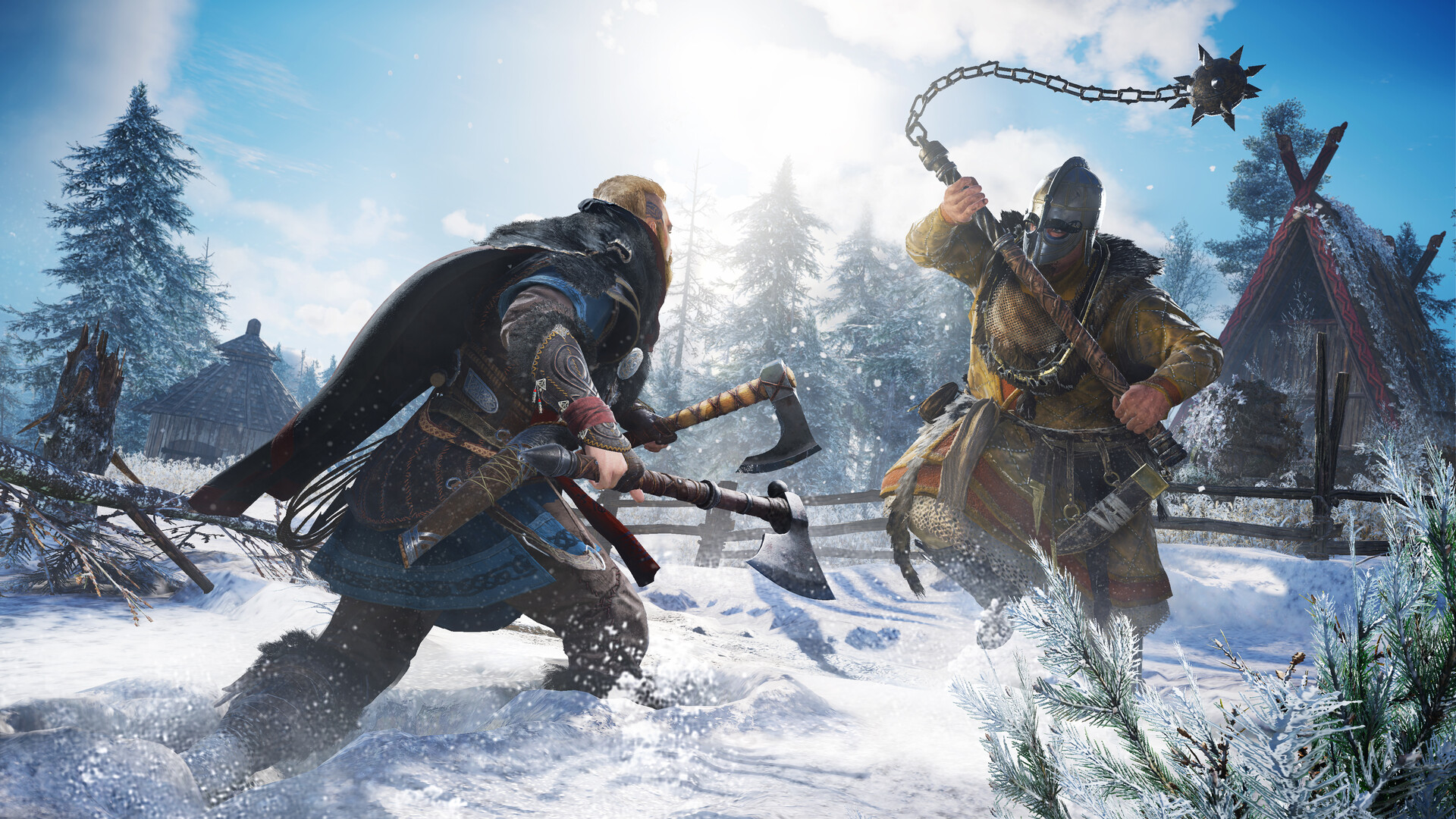
The upsides? Combat seems more impactful. Performing an opportune parry or slicing through a Saxon with a two-handed Dane axe delivers a satisfying crunch. The stamina system is meant to create suspense, compelling you to consider your moves before uncontrollably swinging. Fighting with both hands enables you to pair weapons in enjoyable ways—axe and dagger, sword and shield, or, if you’re feeling particularly deranged, two flails (because nothing implies “diplomatic envoy” like dual-wielding medieval wrecking balls).
The bad? It’s a disaster. Enemy AI alternates between expert warriors and chaps who can’t remember which end of the spear to grasp. The camera, on its own, a well-known assassin without question, has a penchant for get up close and personal with walls during cramped raids. And the stamina mechanic, while a decent notion, often leaves you clumsily retreating while Eivor struggles to breathe as if they just completed a marathon in full plate armor.
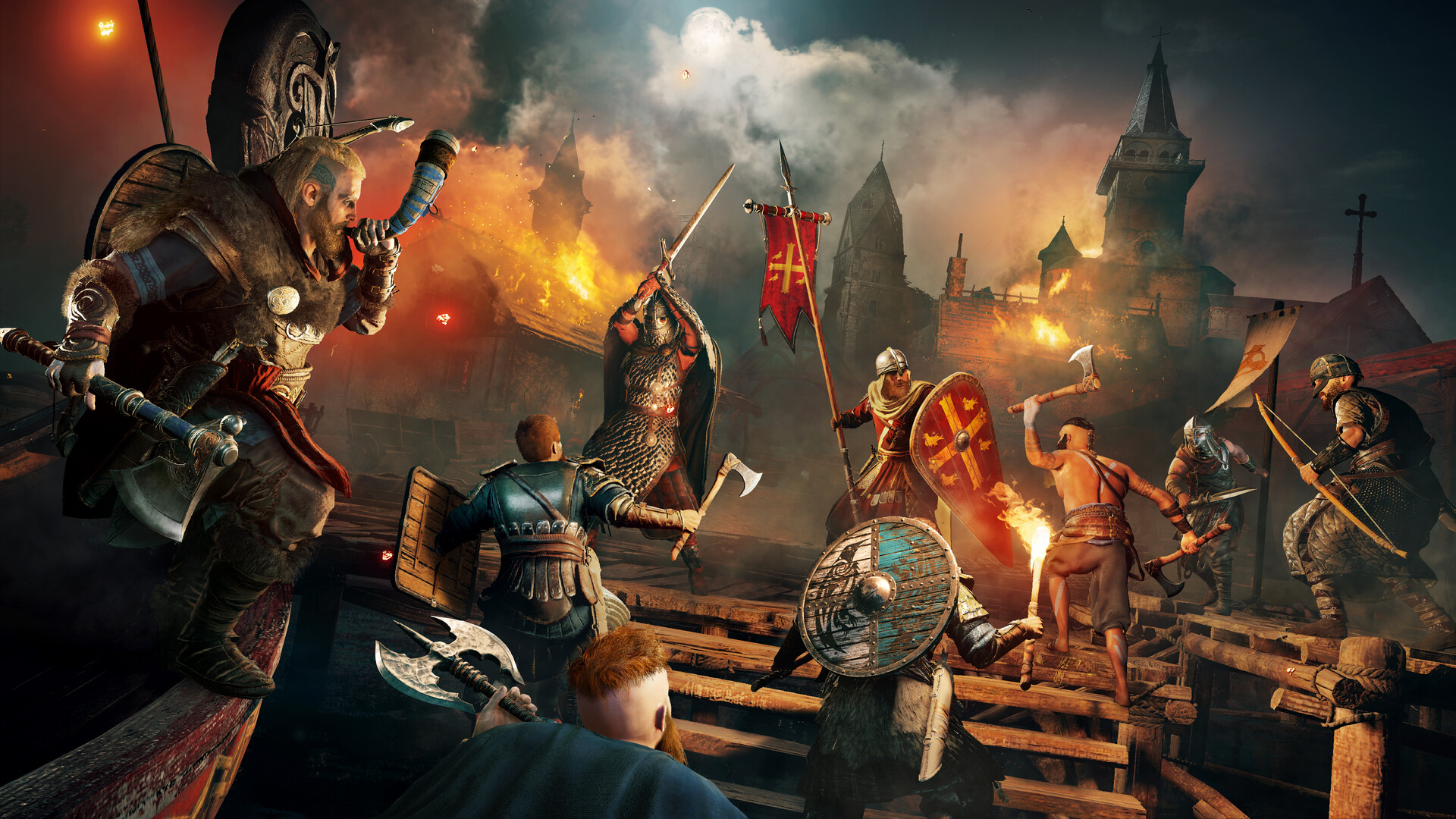
Most egregiously, xbox1 games, the game wavers on if it aspires to be a methodical, impactful brawler or an uncontrolled power fantasy. At one point you’re cautiously dueling a proficient Saxon thegn, the next you’re using “Odin’s Fury” and shocking five men at once. It’s enjoyable, certainly, but about as lucid as a drunk skald’s recitation of Beowulf.
When Vikings Strive to Be Witcher-Lite: A Narrative Mismatch
Valhalla’s plot tries to be The Witcher 3 with more mead and fewer existential despair. There are political alliances, betrayals, and choices that give the illusion of consequence.
Take the settlement system. You’re allegedly establishing a prosperous Viking community, but your choices scarcely affect more than a few aesthetic changes. Side with one jarl over another? Congrats, you are given a marginally altered speech at the feast. Juxtapose that with The Witcher 3, where siding with Roche or Dijkstra could transform entire regions. Assassin’s Creed Valhalla’s “options” are just as consequential as deciding what to name your longship—briefly entertaining, disregarded five minutes later.
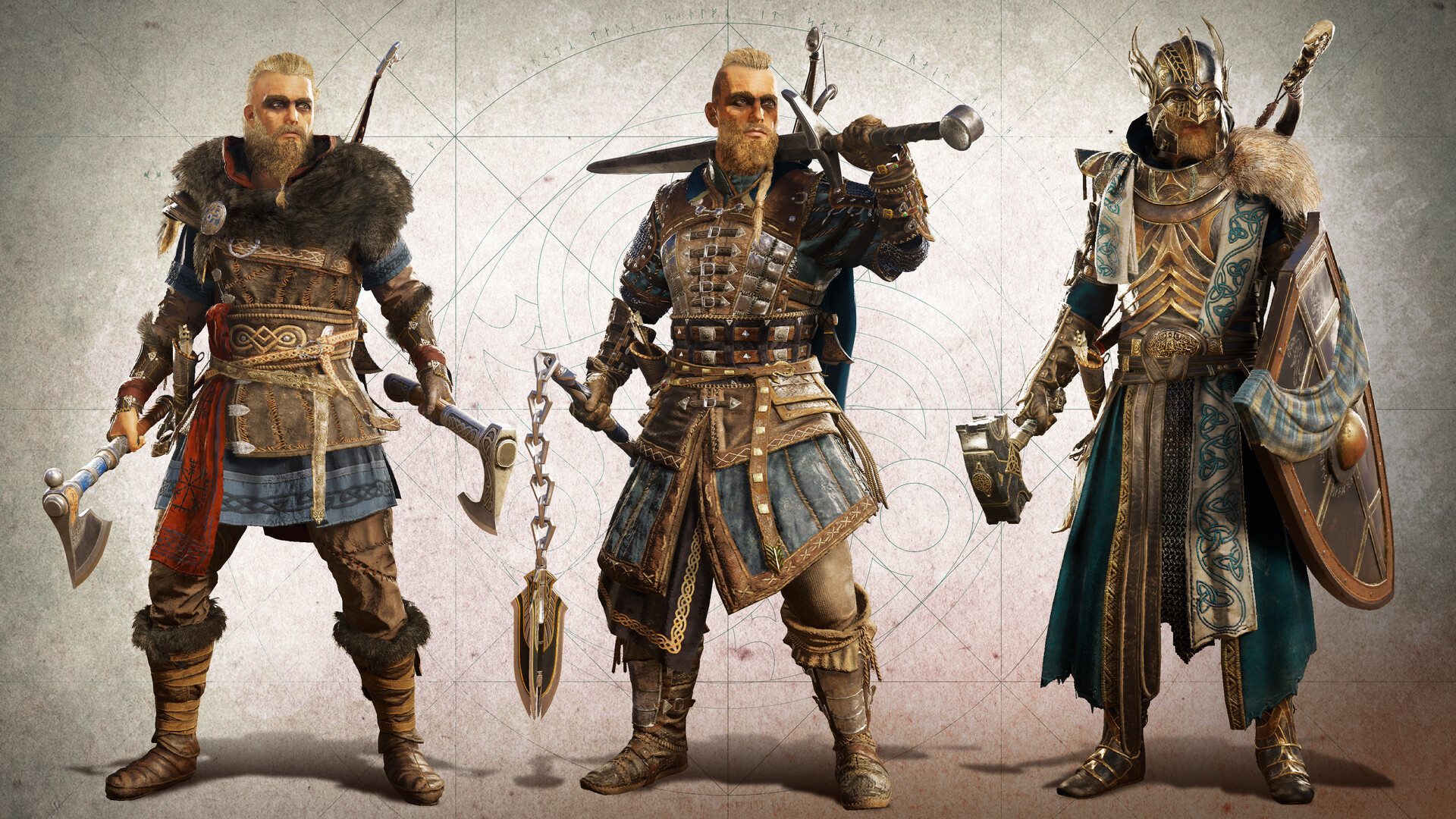
Furthermore, there’s the pacing. The game is arranged like a Norse saga—chapter-based, rambling, and bloated with superfluous content. Some arcs, for instance the violent power struggle in Suthsexe, are truly engaging. Others, for example East Anglia’s monotonous feud between two unremarkable nobles, seem like contractual requirements. And to say nothing of the mythological sidetracks—cool in concept, but tonally jarring when Eivor switches from settling territorial pacts to bashing frost giants in Asgard.
The Great Voice of Eivor: A Protagonist Needing a Better Script
A well-written protagonist can rescue an average story, and Eivor practically succeeds. Magnus Bruun’s male Eivor is all raspy appeal, delivering dry one-liners with the tired charm of a Viking who’s experienced it all. Cecilie Stenspil’s female Eivor, in contrast, imbues a poignant sadness to the part—less a bellowing berserker, more a warrior-poet with blood on her hands.
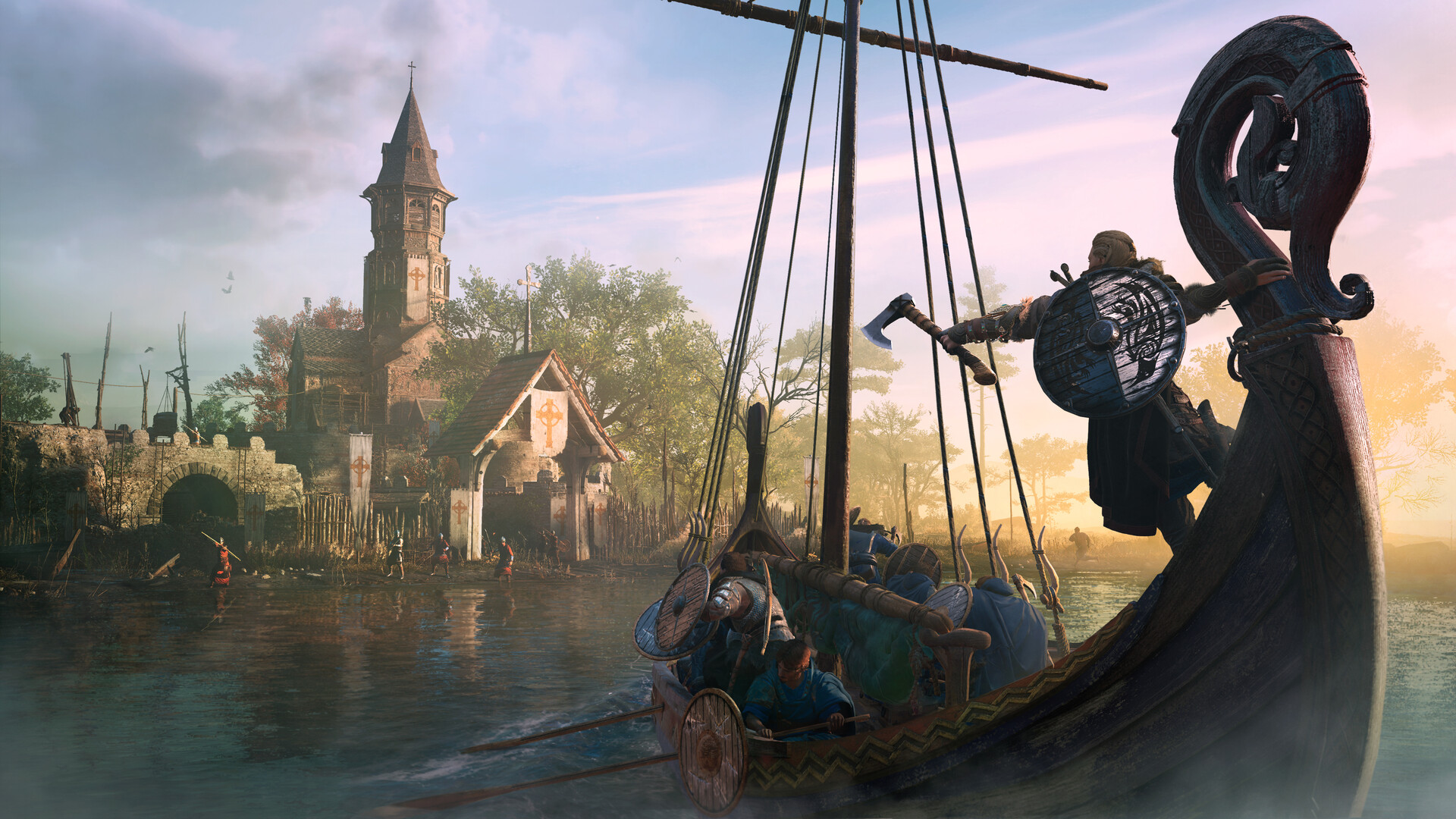
Eivor vacillates between merciless conqueror and begrudging peacemaker according to the quest. At one point they’re proclaiming wisdom worthy of a saga, the next they’re muttering “I’ll paint my axe with your guts” like a B-movie villain. The gender-switching ploy (thanks, Animus nonsense) even more weakens any chance of coherent character development. Contrast that with Bayek’s raw grief in Origins or Ezio’s transformation from arrogant noble to grizzled mentor.
A Feast with Too Much Bland Mead: The Unfulfilling Conclusion
Assassin’s Creed Valhalla is certainly not a train wreck. It’s stunning, has flashes of brilliance, and the raids are uncomplicated fun. For every single exciting siege, there’s a tedious fetch quest. For each superbly performed scene, there’s an awkward line. Is it the most terrible Assassin’s Creed? No. But after 13 years, “better than the worst” must not be the bar. Hopefully the next installment reconnects with what made this series great—before it degenerates into merely another open-world checklist.
