
In recent years, vinyl plank flooring has grown into one of the best-selling floor coverings across the country. It is easy to see why: it looks like real wood, it stands up to spills, and it fits a wide range of budgets.
Your starting point is to think about how each room is used. A busy entryway calls for something tough and easy to clean, while a bedroom can focus more on softness and style. Wet areas are best served by waterproof options such as luxury vinyl plank or porcelain tile.
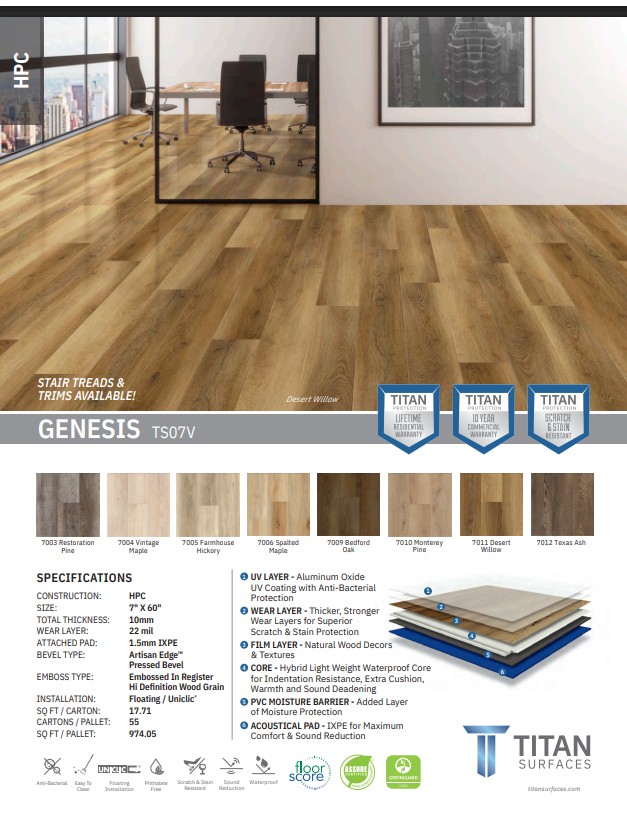 Your budget remains a major consideration. Today’s laminate offers a realistic wood look at an affordable cost, while vinyl combines value with outstanding water resistance. Remember to factor in underlayment, transitions, and installation in your estimate.
So, which floor makes sense? When authentic material plus refinishing potential are what you want, go with real wood. When budget, durability and simple care top your list, laminate makes a lot of sense.
Seasonal change plays an important role. Solid hardwood shrinks and swells as humidity rises and falls, which means it is best installed with proper acclimatization and a good humidifier in winter. Engineered hardwood gives you the beauty of real wood but with much better stability, which makes it a popular choice across the country.
When planning a flooring project, they usually focus on colour, the style and price. But what lies beneath the floor is just as important. The right underlayment can improve comfort, noise levels and moisture protection, while it helps your new floor last longer.
A cohesive look also counts. Too many materials in connected spaces tends to make a home look choppy. Installing one continuous floor across the main floor produces a more spacious look that looks great in listing photos.
Picking the right floor is one of the most important decisions you can make during a home renovation. Across Canada, the choice is particularly demanding because our homes must survive freezing winters, warm and humid summers, melting snow and de-icing salt tracked in from outside.
The cold season in Canada are picturesque, however they are rough on your floors. Snow, calcium chloride, grit and dry heated air will dull your floors over time. With a few simple habits, you can protect your flooring in top shape all season long.
Before you buy, be sure to look at samples in your own lighting. Tones can look very different in natural light. If you are looking for professional guidance and a large selection of floors for every room, visit quality flooring in Canada and start planning your project today.
If you are considering vinyl plank flooring for your next project, take the time to compare wear layers and see samples in person. You can explore a great selection at Canada Floors Depot to find a style that matches your home.
The main benefit of vinyl plank is its water resistance. In contrast to traditional laminate, http://Www.digital-marketing.ipt.pw/News/canada-floors-depot-421/ good vinyl flooring does not swell or cup after contact with spills. That makes it an excellent choice for kitchens, bathrooms and basements.
If you are planning to sell in the near future, or you are looking to enjoy your home more, replacing old flooring is one of the most effective upgrades you can make. Floors cover most of the visible space of your home, so they make a major impact on first impressions.
Buyers notice floors immediately. Old, stained carpet, damaged wood floors or chipped tile give a signal suggesting that the house needs work. On the other hand, beautiful updated floors can make a house feel clean and modern, which often helps it sell faster.
A final tip: many flooring products include an attached underlayment. When that is the case, adding another underlay can lead to joint failure and affect the warranty. Be sure to check the manufacturer’s guidelines.
Its first role is sound reduction. Floors that are not glued down can sound noisy if installed directly on the subfloor. The right underlay dampens impact sound, something that is especially important in condos in which strata rules frequently set a minimum IIC or STC rating.
Humidity is also critical. In winter, indoor air gets extremely dry, which causes natural wood to contract and small gaps to form. A humidifier keeping humidity at a stable level protects your floors and your furniture.
De-icing salt can leave white marks that will etch the surface of most floors. Wipe up salty puddles as soon as possible with a slightly damp cloth and a floor-specific cleaner. Stay away from excess water on wood and laminate.
A good underlay also smooths out slight unevenness beneath the floor while adds some comfort and insulation. Note, though, that does not replace a flat subfloor: big height differences need to be levelled first.
The first line of defence is the entrance. Put a rough outdoor mat and a washable absorbent rug indoors every entrance. This combination traps the majority of the salt and grit before it can scratch your flooring. Set up a boot tray so dripping shoes aren’t left on your flooring.
